UGC equity regulations trigger widening protests; critics demand safeguards against misuse
Protests expanded across multiple states over the UGC’s new equity regulations for higher education institutions. Demonstrators questioned the breadth of definitions and enforcement mechanisms and called for clearer checks to prevent arbitrary or false complaints while ensuring protection against discrimination.
Protests against the University Grants Commission’s new equity-related regulations continued to widen on January 28, 2026, with demonstrations reported across several cities and states. Student groups, lawyers’ bodies and community organisations raised objections to the design and enforcement of the framework, demanding a rollback or significant revisions that add procedural safeguards.
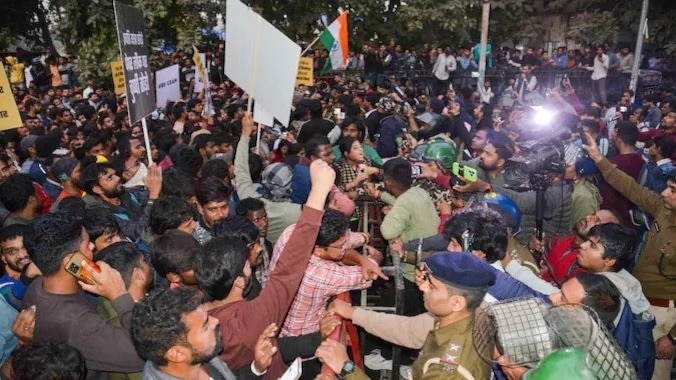
The controversy centres on what the regulations require institutions to do on campus and how complaints would be handled. Reports said the rules push universities and colleges to formalise anti-discrimination systems, including dedicated committees and support mechanisms. However, critics argue that definitions can be overly broad and that the compliance-and-penalty structure may be vulnerable to misuse if checks are not spelled out clearly.
On January 28, protests were noted in parts of Uttar Pradesh and Bihar, among other places, with demonstrators marching, submitting memoranda and holding street-level rallies beyond campuses. Visuals and updates indicated that agitation moved from university gates to public squares, reflecting rising political traction as different groups framed the issue as both administrative and social.
Supporters of stronger equity rules say the intent is to make grievance redress predictable and institutional, providing clearer support for those facing caste-based discrimination and other forms of bias. Critics, meanwhile, say any system that is strong on enforcement must also be strong on due process, including clear investigation steps, timelines, and protections against malicious complaints.
News updates also suggested that government officials were reviewing concerns and could clarify their stance, though no unified resolution was announced during the day. In politically sensitive education reforms, protest momentum often pushes authorities towards amendments, implementation pauses or clarificatory guidelines that narrow operational ambiguity.
For now, campuses and civil society groups remain split between the need for robust anti-discrimination frameworks and the need for tight procedural guardrails. The next steps are likely to include public consultations, clarifications on definitions, and detailed implementation notes that determine how institutions actually set up committees, conduct inquiries and protect complainants and respondents alike.