Students protest new UGC guidelines as opposition and groups demand rollback
Protests have erupted in multiple places over the new UGC guidelines, with students and various groups raising concerns about fairness, safeguards and potential misuse. The issue has turned into a fast-moving political flashpoint, drawing reactions from public figures and signalling continued pressure on the government and the regulator to clarify or revisit provisions.
What is happening
A fresh wave of protests has broken out against the new UGC guidelines, with demonstrations reported in several states and in the national capital. On January 28, 2026, visuals and updates showed students gathering to protest and demand changes, with multiple organisations arguing that the rules could deepen social tensions rather than reduce discrimination.
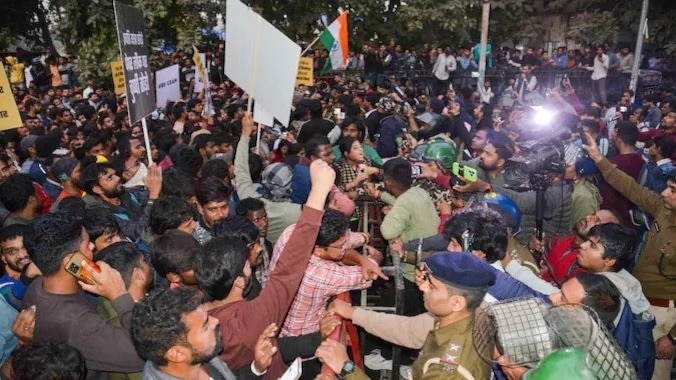
The agitation has also expanded beyond student groups, drawing participation from lawyers and community organisations in various districts. Protesters have submitted memorandums to local administrations and have urged a withdrawal or revision of what they describe as contentious provisions.
Key concerns being raised
Critics of the guidelines say the framework needs clearer safeguards to prevent misuse of complaint processes and to ensure that grievance redressal mechanisms remain credible for all sides. They also argue that the language and enforcement structure could be interpreted unevenly across campuses, increasing fear, friction and litigation rather than building trust.
Supporters, however, see the direction as a stronger institutional push towards equity and inclusion in higher education. They argue that campus systems have historically failed vulnerable groups and that stricter, clearer regulations are necessary to improve accountability and access.
Political and administrative stakes
The growing scale of protests has created pressure for an official clarification. Sources and live updates indicated that authorities were reviewing concerns and that the government may need to explain how the rules will be implemented, what protections exist for due process, and how institutions will avoid arbitrary action.
With protests spreading and political reactions intensifying, the guidelines risk becoming a longer-running national controversy unless stakeholders are brought into consultation quickly and implementation details are made transparent.
What to watch next
- Any formal government statement clarifying scope and safeguards.
- Whether the UGC issues revised FAQs, implementation notes, or amendments.
- How universities set up complaint and inquiry mechanisms under the guidelines.
- Whether protests expand further or shift into court challenges.
For now, the issue remains fluid, with protests continuing and competing narratives about equity, fairness and misuse shaping the national debate around higher-education regulation.