PM Modi urges newly eligible citizens to register as voters, calls participation ‘soul of democracy’
In his Mann Ki Baat address, Prime Minister Narendra Modi asked young Indians to register to vote as soon as they turn 18, linking voter participation to constitutional duty and nation-building. The appeal came around National Voters’ Day and ahead of Republic Day celebrations.
The PM’s message to first-time voters
Prime Minister Narendra Modi urged young Indians to register as voters the moment they turn 18, describing voting as a defining milestone and a cornerstone of the country’s democratic system. He made the appeal during the 130th episode of his monthly radio programme Mann Ki Baat, linking voter participation to the idea of constitutional responsibility and the strengthening of India’s democracy.
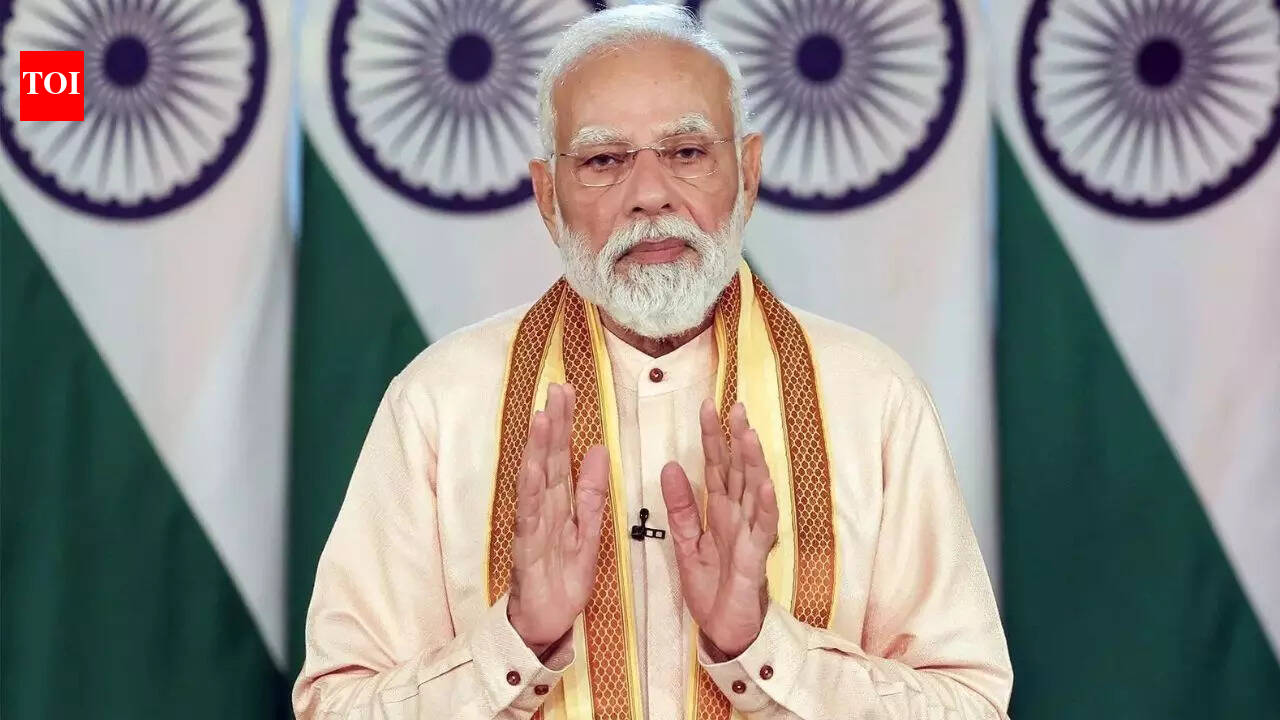
The remarks came around National Voters’ Day (observed on January 25) and in the run-up to Republic Day (January 26), a period when civic participation and constitutional values are widely highlighted. Modi framed the act of becoming a voter not as routine paperwork but as an entry into public life and a commitment to shaping collective outcomes.
Why the timing matters
The Prime Minister tied the message to the larger narrative of India’s democratic identity, emphasising that the Constitution sets expectations not only for institutions but also for citizens. By pointing to Republic Day and National Voters’ Day, he sought to connect political participation with civic duty, and to encourage families and communities to celebrate voter registration as a meaningful rite of passage.
The pitch also reflects an ongoing emphasis on expanding youth engagement in formal democratic processes. India continues to add new voters each year, and registration drives often intensify around the January civic calendar as election authorities and civil society groups use the moment to push awareness.
Participation beyond just casting a ballot
The PM’s comments suggest a broader view of political participation: registering early, staying informed, and recognising that voting affects local governance, economic priorities and social outcomes. For many first-time voters, registration is also the first interaction with electoral systems, including identity verification, constituency mapping and the process of checking rolls.
Election officials and civic groups typically advise new voters to ensure their details are accurate, keep track of booth-level information during polls, and watch for official updates on enrolment windows and document requirements. The core message in the speech was that early registration enables smoother participation when elections arrive.