Budget Session 2026: Government calls all-party meeting on January 27 ahead of Parliament session starting January 28
Ahead of the Budget Session beginning January 28, the government scheduled an all-party meeting on January 27 with floor leaders of both Houses, with Union Budget 2026-27 slated for February 1 and the President’s address set to open the session.
The government has lined up a key round of political consultations ahead of the Budget Session of Parliament, convening an all-party meeting on Tuesday, January 27. The meeting is intended to bring floor leaders of parties in both Houses onto the same page on the session’s agenda, legislative business and the broad contours of coordination that typically precede a high-stakes Budget cycle.
What is scheduled, and when
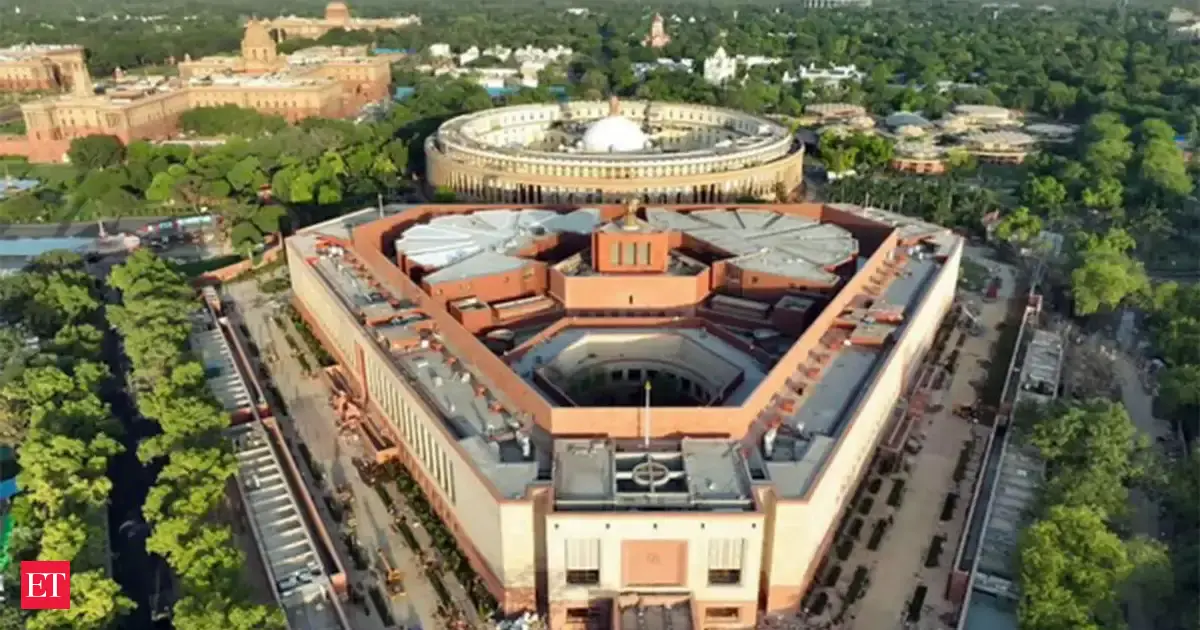
As reported, Union Parliamentary Affairs Minister Kiren Rijiju is set to chair the all-party meeting in Parliament premises. The Budget Session is scheduled to begin on January 28, 2026, with the President addressing a joint sitting of the Lok Sabha and the Rajya Sabha to formally open proceedings.
The Union Budget for 2026–27 is scheduled to be presented on February 1, placing this meeting squarely in the “final coordination window” where parties raise expected issues, flag likely disruptions, and communicate priorities—both in terms of policy debate and day-to-day functioning of the Houses.
Session timeline: two phases with a break
The session is expected to run until April 2, with a break between phases. The first phase is scheduled from January 28 to February 13, while the second phase is slated for March 9 to April 2. The overall calendar is expected to include around 30 sittings, a window in which the government will try to push key legislative items while managing the political heat that typically comes with Budget scrutiny.
Why the all-party meeting matters
All-party meetings ahead of major sessions are a standard parliamentary practice, but they often become more consequential in Budget weeks, when policy choices intersect with party positioning. Leaders typically use these consultations to put concerns on record—ranging from inflation and jobs to fiscal strategy and sector-specific demands—while the government uses the forum to appeal for cooperation so that budgetary business and debates can proceed without repeated adjournments.
While such meetings don’t guarantee smooth proceedings, they act as a temperature check for the session: whether there is room for negotiation, what the flashpoints are likely to be, and how early the confrontation lines are being drawn.