Parliament’s 2026 agenda: ‘One Nation, One Election’ panel timeline extended into Budget Session
As Parliament moves from the 2025 winter sitting into the 2026 Budget Session, multiple high-stakes proposals remain in committee or await renewed debate. A key electoral reform proposal—popularly known as ‘One Nation, One Election’—continues under scrutiny, with a joint parliamentary panel given more time to submit its report during the Budget Session 2026 timeline.
Budget Session expected to pick up unfinished legislative business
India’s legislative calendar heading into 2026 carries over a set of proposals introduced or debated in late 2025, with several referred to committees for more detailed scrutiny. The next phase of work is expected to unfold during the Budget Session 2026 as the government seeks to translate broad reform themes into implementable frameworks.
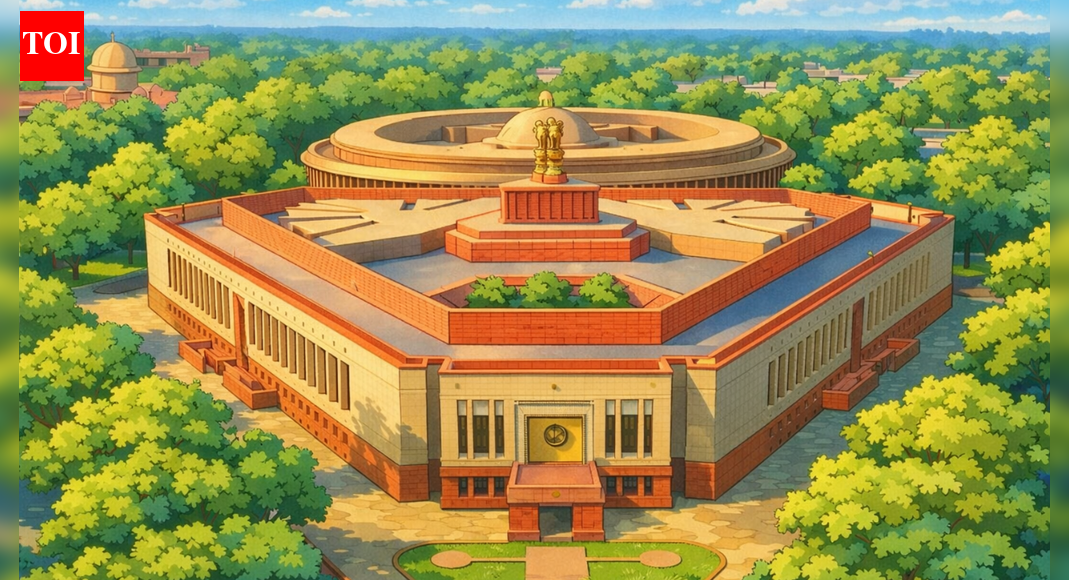
Among the most politically consequential proposals is the ‘One Nation, One Election’ (ONOE) reform, which aims to align Lok Sabha and state assembly election schedules. The initiative was launched with the introduction of a constitutional amendment bill in late 2024. While it secured majority support in the Lok Sabha, it did not clear the higher threshold needed for constitutional change.
The Lok Sabha subsequently approved a motion to refer the two ONOE-linked bills to a 39-member Joint Parliamentary Committee. That committee has been granted an extension to submit its report until the first day of the last week of the Budget Session 2026, effectively pushing the key recommendations into the core legislative window of this year’s budget sitting.
Supporters argue simultaneous elections could reduce repeated election expenditure and limit frequent disruptions associated with the Model Code of Conduct. Critics, including opposition parties, have framed it as an assault on federalism and regional autonomy, warning that synchronisation could weaken state-level political choice and alter the balance of power between the Union and states.
Why the committee deadline matters
- A committee report can shape the final drafting and the political pathway for passage.
- Timing during the Budget Session can determine whether the government prioritises the bill alongside fiscal and economic measures.
- The opposition’s stance suggests the proposal could become a central parliamentary flashpoint in 2026.