‘One nation, one election’ push: BJP’s K. Laxman says Telangana could see simultaneous polls; women’s quota linked to census and delimitation
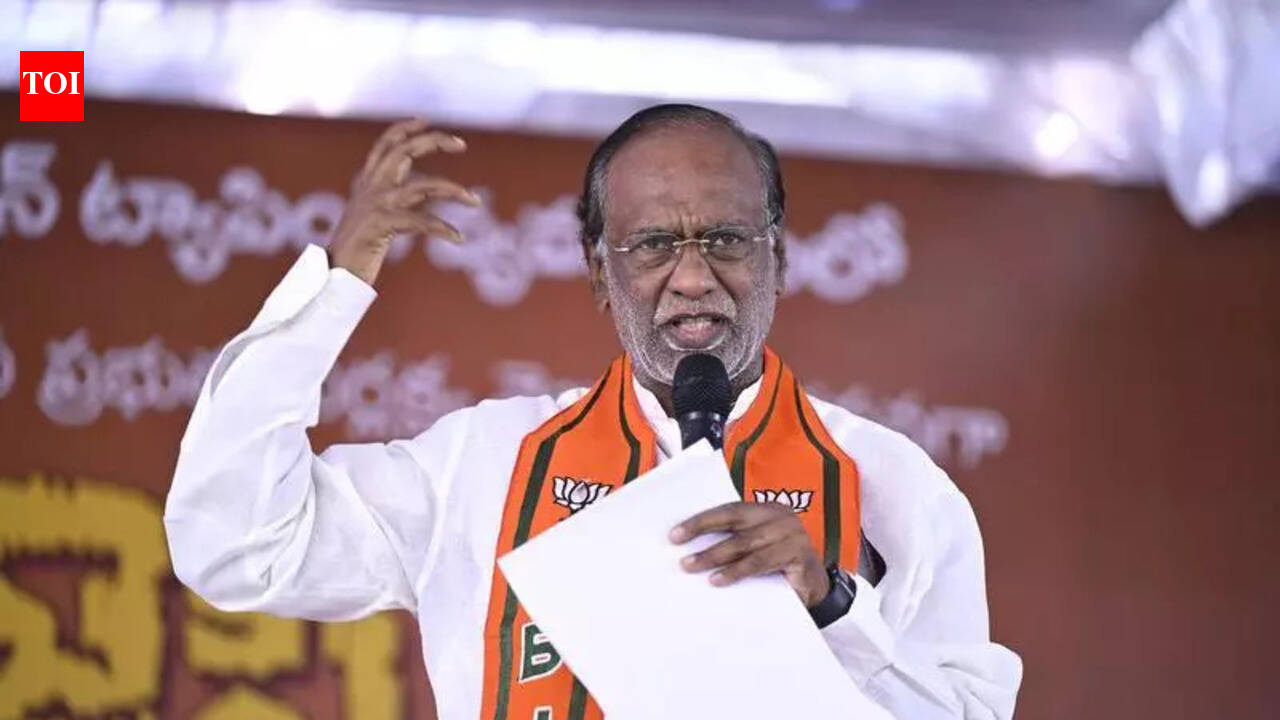
BJP Rajya Sabha MP K. Laxman said Telangana may face simultaneous assembly and parliamentary elections as part of the Centre’s ‘one nation, one election’ effort. He also linked implementation of the women’s reservation law to completion of the census and delimitation, outlining the sequencing that could shape India’s next electoral cycle.
What was said and why it matters
BJP leader and Rajya Sabha MP K. Laxman said Telangana could see assembly and parliamentary elections conducted together, aligning the state’s electoral schedule with the Centre’s broader “one nation, one election” idea. The remark is politically consequential because it ties a national reform debate to a specific state timeline—turning an abstract reform into a concrete possibility that parties, administrators and voters can start modelling.
Census and delimitation: the linkage to women’s reservation
Laxman also reiterated that the women’s reservation law—providing 33% reservation for women in the Lok Sabha—depends on the completion of the national census and subsequent delimitation. That sequencing matters because it places two large administrative exercises ahead of implementation, creating a multi-step pathway rather than an immediate switch. In political terms, this affects how parties plan candidate pipelines, seat strategy and coalition bargaining.
The six-month claim and the planning ripple-effect
According to the statement, the census is expected to be completed within about six months, after which delimitation would begin, with the implication that a faster cycle could enable election synchronisation before the next round of polls. Even if timelines shift, the comment signals intent: the BJP wants the reform framed as feasible, time-bound and administratively manageable, rather than a distant constitutional project.
How states could be affected
If simultaneous elections were to be pursued, states would likely face changes in campaign calendars, governance rhythms and policy rollouts—because election timing shapes legislative agendas and administrative focus. Telangana is significant in this discussion because it is a relatively young state with a competitive political environment, making it a high-visibility test case for how synchronised elections might change mobilisation and alliance patterns.
What happens next
The key watchpoints are practical: how the census is scheduled and executed, whether delimitation is launched on the implied timeline, and whether political consensus (or at least legislative numbers) emerges for election synchronisation. For now, Laxman’s comments place both “one nation, one election” and the women’s quota implementation in the same forward-looking narrative—one where administrative sequencing becomes the central political battleground.