Intel inputs flag ‘26-26’ terror plot before Republic Day; Delhi Police issues wanted notice
Intelligence inputs indicated an alleged terror conspiracy linked to Pakistan’s ISI and outfits including Jaish-e-Mohammed, with a code name referencing 26 January. The alert drove heightened security measures around Republic Day, with Delhi Police issuing a wanted notice featuring a suspected AQIS operative, as authorities increased surveillance and preparedness in sensitive locations.
Indian intelligence inputs ahead of Republic Day pointed to an alleged terror conspiracy linked to Pakistan’s Inter-Services Intelligence (ISI) and extremist groups, with the operation reportedly code-named “26-26” in reference to 26 January. The warning led to a visible ramp-up in preparedness in multiple sensitive areas, including the national capital.
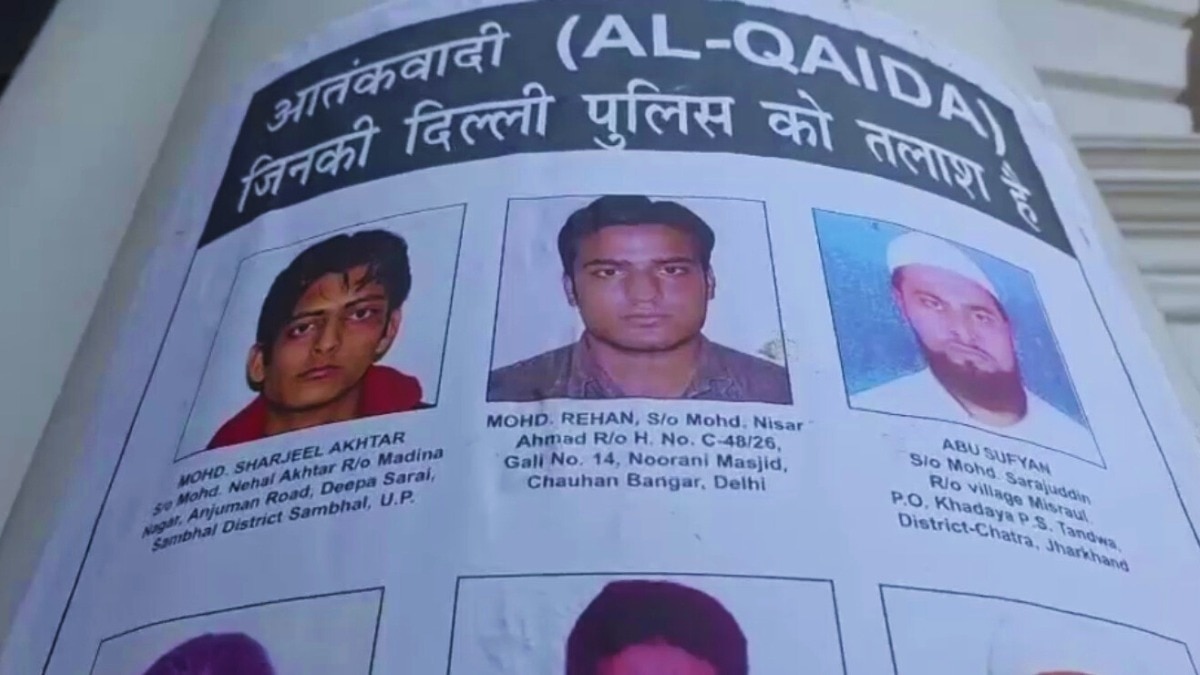
In New Delhi, police actions included issuing a wanted notice carrying the photograph of a suspected terrorist identified as Mohammad Rehan, described as linked to Al-Qaeda in the Indian Subcontinent (AQIS). The move, reported as a first-of-its-kind step in this context, was presented as part of a broader effort to tighten response readiness during a high-profile national event.
Security posture around high-visibility events
Republic Day celebrations are among the most security-intensive days in India’s calendar, with layered checks, route controls and heightened monitoring across multiple agencies. The reported intelligence inputs added urgency to those routines, pushing authorities to sharpen surveillance and coordination between central and state units.
Officials typically avoid disclosing operational specifics, but the broad contours of such alerts often translate into enhanced patrolling, checks at transit points and additional scrutiny around crowded public venues. Agencies also increase the pace of threat assessment as new information arrives, because even small changes can affect how resources are deployed.
The political context is also unavoidable: security arrangements around national ceremonies become a measure of state capacity, and any disruption would carry outsized symbolic impact. That reality makes pre-emptive action, public advisories and inter-agency coordination central to planning for 26 January.
While intelligence-based warnings do not always translate into realised attacks, the policy logic of acting on credible inputs is to reduce risk during peak-footfall events. The steps described—including posters and wanted notices—aim to expand public awareness and accelerate identification, while enforcement units work to prevent threats from materialising.