PM Modi urges youth to register as voters in Mann Ki Baat message on Jan 25
In the Mann Ki Baat address on January 25, 2026, Prime Minister Narendra Modi urged eligible young Indians to register as voters as soon as they turn 18, calling participation in elections a key way to strengthen democracy.
A direct appeal to first-time voters
Prime Minister Narendra Modi used his Mann Ki Baat address on Sunday, January 25, 2026, to make a focused appeal to India’s youth: register to vote promptly on turning 18. He underlined that voting is among the most practical ways citizens can participate in public life and help shape the country’s democratic direction.
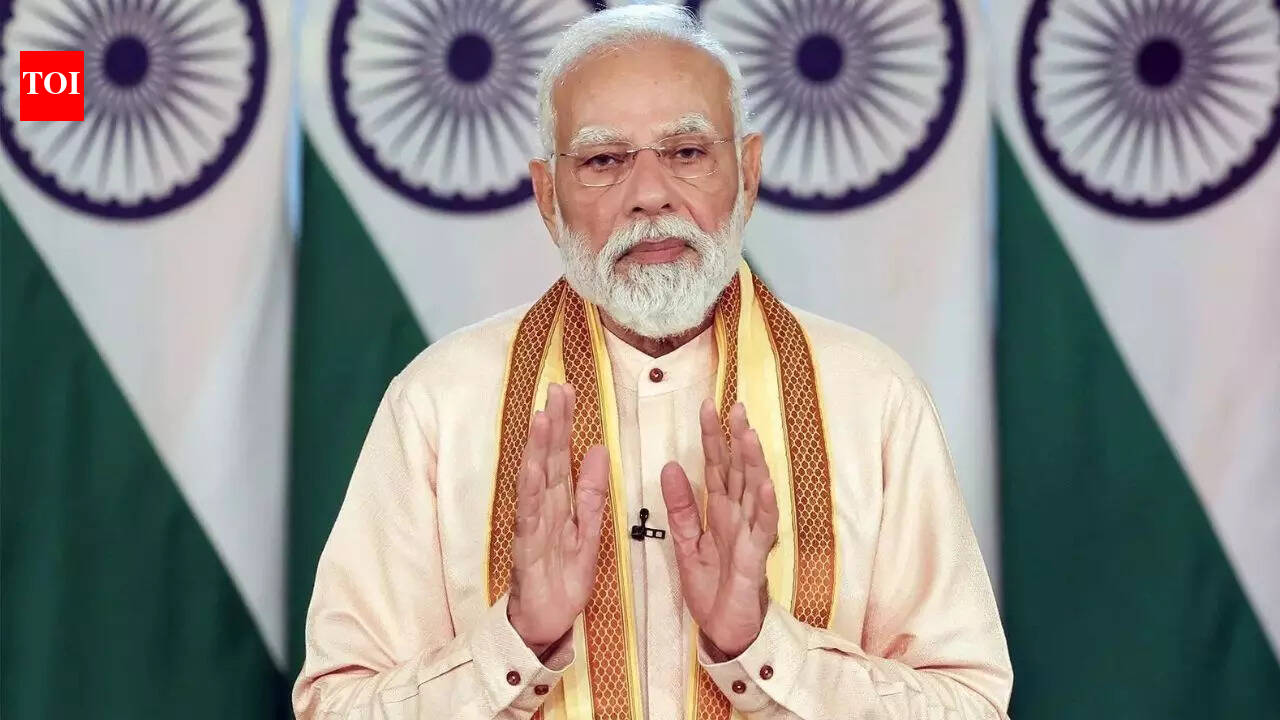
The message is aimed at expanding enrolment among first-time voters, a group that often determines outcomes in closely fought constituencies. Election participation can also be affected by migration for education or jobs, making early and accurate registration important for many young adults.
Why voter registration is being emphasised
In recent years, public institutions have pushed more digital and campaign-style outreach to improve enrolment and reduce errors in electoral rolls. The Prime Minister’s remarks add political weight to that effort, especially as parties across the spectrum prepare for the next cycle of state and national polls.
Modi framed voting as civic responsibility and a constitutional duty, linking the act to the broader idea of strengthening democratic institutions. The call also signals that youth engagement remains a central theme for the government’s public communication, alongside issues like education, skills, innovation and employment.
What eligible citizens should do
- Check eligibility once you turn 18 and ensure your name is on the electoral roll.
- If you have moved cities for studies or work, verify your constituency and address details.
- Keep identity and address documents updated to avoid application delays.
- Track application status and correct any spelling or address errors early.
With voter lists continuously updated, early action helps avoid last-minute issues close to polling dates. The broader political significance is clear: higher youth registration often translates into higher turnout, which can influence both campaign priorities and election outcomes.