IMD warns of widespread rain, hail and heavy snow from Jan 26 as western disturbance approaches
The India Meteorological Department has issued multi-state alerts ahead of a fresh western disturbance expected to trigger heavy snowfall, hailstorms and thunderstorms across parts of north, northwest and central India from January 26, 2026, with peak impact forecast around January 27.
What the IMD alert says
India is likely to see another spell of unsettled winter weather from Monday, January 26, 2026, after the India Meteorological Department (IMD) flagged a new western disturbance. The system is expected to bring widespread rainfall, thunderstorms and hail in several states, along with heavy snowfall in higher reaches of the Himalayas.
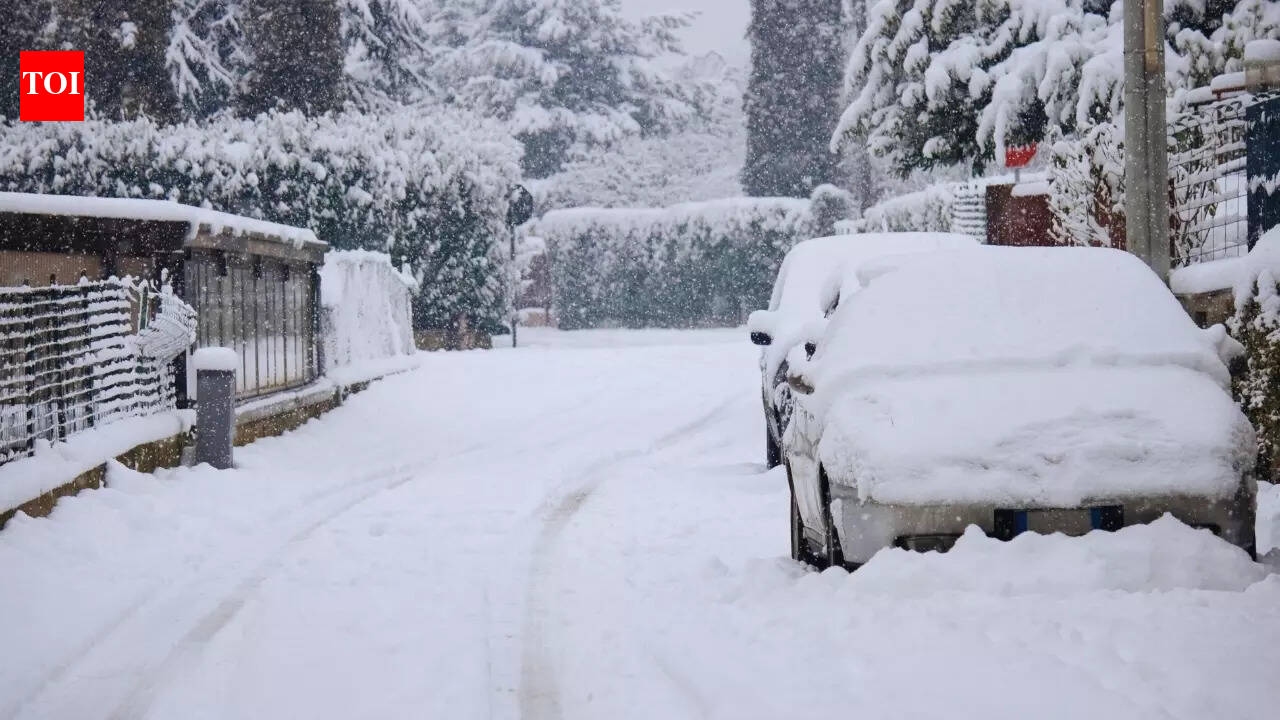
According to the forecast, conditions are set to intensify through Tuesday, January 27, when the heaviest snowfall and more vigorous storm activity are likely. While the disturbance is expected to gradually weaken from Wednesday, January 28, the IMD has indicated that stormy conditions may still persist in pockets even after the peak day.
What could be impacted
With dense fog and cold-wave conditions already affecting parts of the north, authorities are advising travellers to plan for delays and disruptions. Visibility-related slowdowns on highways, intermittent stoppages on hill roads and diversions due to snow clearance are possible where precipitation is intense.
The weather system may also create short, sharp hazards in plains and plateau regions where hail or gusty winds develop, including risks to standing crops, power lines and local road traffic. People are being urged to monitor district-wise advisories and avoid unnecessary travel during the most active spell.
How to prepare
- Check updated IMD and local administration bulletins before inter-city travel on January 26–28.
- In hill stations, plan for road closures and keep buffer time for snow clearing operations.
- If hailstorms are forecast in your district, protect vehicles and secure loose outdoor items.
- For fog-prone routes, prefer daylight travel and keep emergency supplies if driving.
IMD advisories typically evolve as systems approach, so the most useful guidance is the latest district-level warning and timing window. Residents in vulnerable areas should follow official instructions, especially regarding travel restrictions and school or office advisories.