Budget Session begins today; Union Budget to be presented on Sunday, February 1
Parliament’s Budget Session starts on January 28 and is scheduled to run till April 2 in two phases. The government has indicated the Union Budget for 2026-27 will be tabled on February 1, which falls on a Sunday this year, making the calendar notable for both legislators and markets watching fiscal signals.
Session timeline and key dates
India’s Budget Session of Parliament begins on Wednesday, January 28, 2026, and is slated to continue until Thursday, April 2, 2026, with the proceedings split into two phases. The first phase is expected to run up to February 13, while the second phase is scheduled to resume on March 9, after a break.
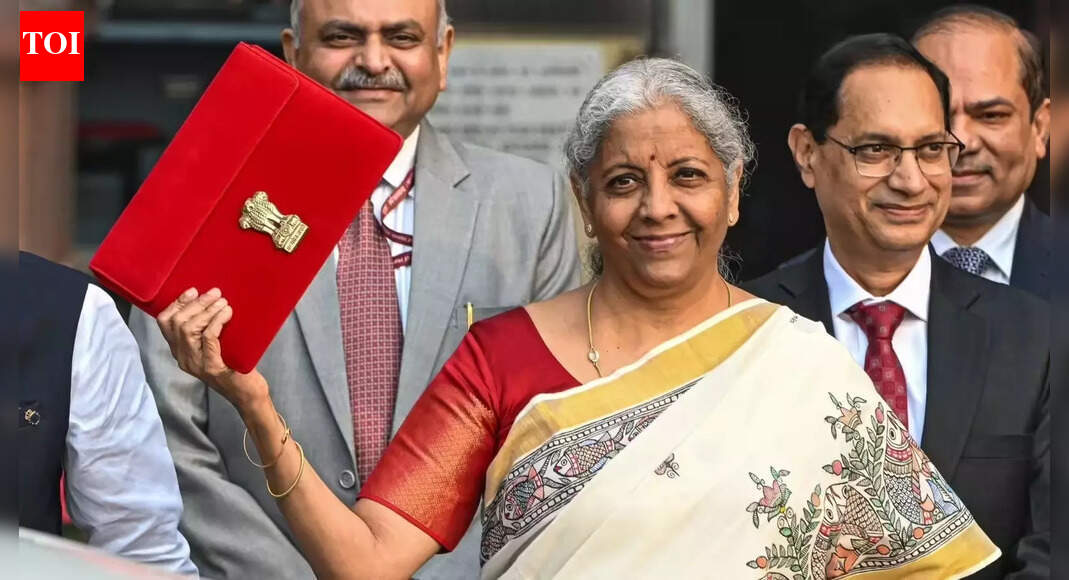
The Union Budget for 2026-27 is expected to be presented on Sunday, February 1, 2026. The Sunday tabling has drawn attention because it is unusual for major parliamentary business and is likely to shape the work rhythm for the early part of the session, including debates on the Budget and related Bills.
Why the Budget Session matters
The Budget Session is the first session of Parliament in the calendar year and typically begins with the President’s address to a joint sitting of both Houses. After this, Parliament moves into the central business of the session: presentation of the Budget, discussion on the Budget, demands for grants, and passage of the Finance Bill and other key legislation.
For citizens and businesses, the session is closely watched for signals on taxation, spending priorities, fiscal consolidation, welfare allocations, and sector-wise policy direction. For financial markets, even the schedule itself matters because it sets the timeline for announcements and parliamentary clearance.
What to watch next
- The detailed Budget documents and headline allocations on February 1, 2026.
- The government’s legislative agenda during the two phases of the session.
- Debates on spending priorities, revenue assumptions, and fiscal deficit targets.
- Any major policy statements linked to reforms, investment, jobs, and inflation.
With the session stretching into early April, the government and opposition will have a long runway for debate and scrutiny. The two-phase schedule also suggests that committees, consultations, and political negotiations may intensify during the mid-session break before business resumes in March.