Delhi’s air turns ‘moderate’ after rain and winds, but a reversal is likely as fresh weather systems approach
After rain and gusty winds, Delhi recorded its cleanest air in more than three months, with the AQI slipping into the ‘moderate’ bracket. Forecasts, however, suggest the respite may be short-lived, with conditions expected to worsen again as fog, colder nights and another spell of rain approach.
Delhi saw a sharp improvement in air quality over the weekend, with pollution levels easing after rain and strong winds swept through the National Capital Region. Data cited in local reporting showed the city’s Air Quality Index (AQI) dropping to a level not seen in over three months, bringing it back into the ‘moderate’ category after an extended run of ‘poor’ and worse readings.
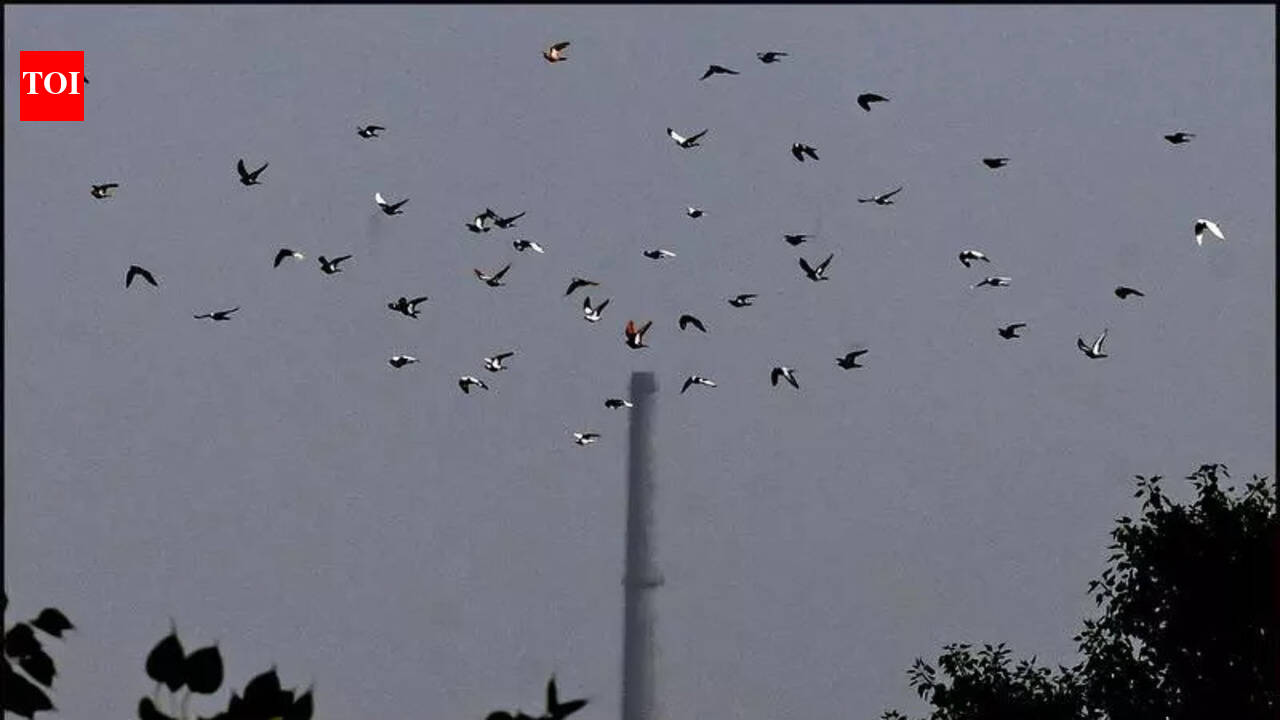
The improvement was attributed to weather-driven dispersion: rainfall helped wash out particulate matter while gusty winds pushed polluted air away from the city. The same system also brought a noticeable chill. Minimum temperatures fell significantly, and morning fog continued to affect visibility, especially during the early hours.
Why the improvement may not last
Forecasters indicated that the cleaner-air window could close quickly. As winds weaken and winter conditions settle back in, pollution is expected to build up again. Projections mentioned in the report suggested a return to ‘poor’ air quality on Sunday, with the possibility of further deterioration as another wet spell and changing wind patterns arrive early in the week.
Meteorological officials also flagged the likelihood of another round of rain linked to an approaching western disturbance. While short bursts of rain can temporarily lower pollution, the post-rain period often brings back stable, colder air and overnight inversion layers that trap emissions closer to the ground—conditions that can push AQI back up.
What residents can do over the next few days
- Track AQI hour-by-hour, not just the daily average, because spikes can occur in the evening and early morning.
- If you are sensitive to pollution (asthma/COPD/heart disease), plan outdoor activity during the cleaner mid-day window when winds are stronger.
- Keep indoor air clean too: close windows during peak pollution periods and use filtration if available.
Overall, Delhi’s brief break from heavy winter smog shows how strongly local air quality is linked to wind and rain. But the same reporting underlines the central challenge of the season: without sustained ventilation, pollution tends to rebound quickly.