Avalanche warning issued for vulnerable areas in J&K’s Ganderbal; officials advise tourists to avoid risk zones
Authorities issued a high-level avalanche warning for vulnerable stretches in Jammu and Kashmir’s Ganderbal district, including the Sonamarg area, after a recent avalanche incident was reported nearby. Police and disaster-response teams advised residents and tourists to strictly avoid avalanche-prone zones amid prevailing weather conditions.
A high-level avalanche warning was issued on January 28, 2026, for several vulnerable areas in Jammu and Kashmir’s Ganderbal district, including the Sonamarg tourist resort, as officials cautioned that conditions remain risky. The advisory followed a recent avalanche incident near the New Truck Yard in Sonamarg late Tuesday night, after which teams were deployed to assess the area.
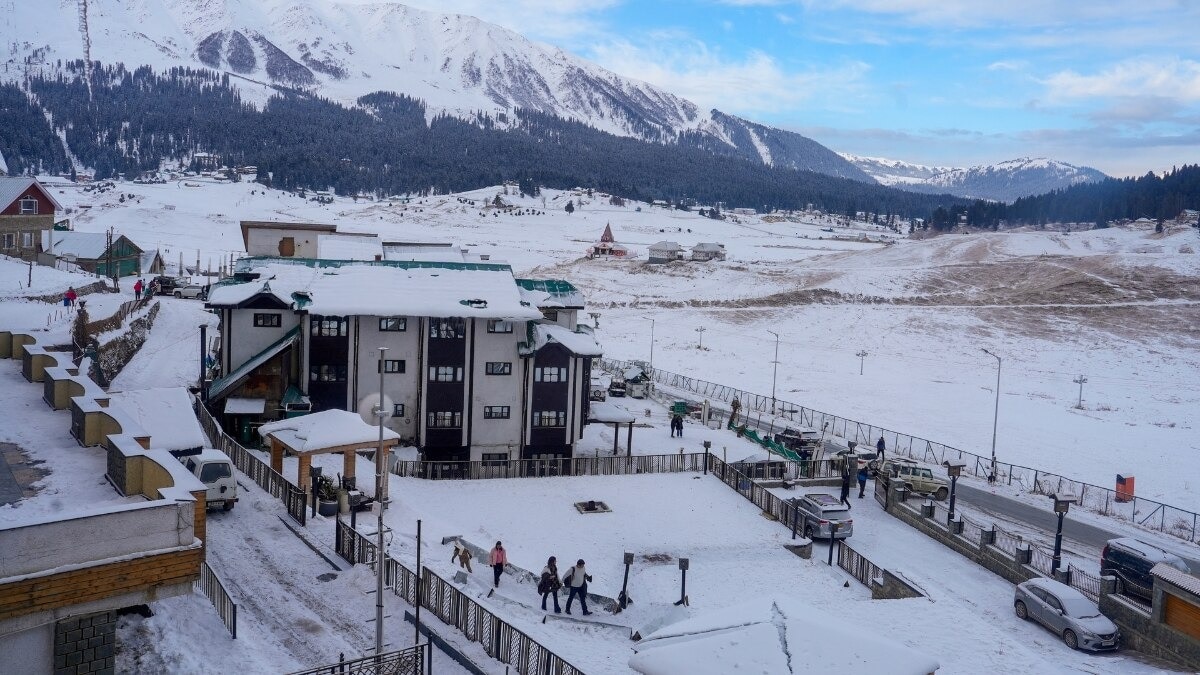
Officials said there was no reported loss of life or property in the earlier incident, but warned that the probability of further avalanches remains very high given prevailing weather conditions. In mountainous regions, rapid changes in snowfall, temperature and wind-loading can destabilise slopes, turning familiar travel corridors into high-risk zones within hours.
Police and disaster-response personnel urged the general public, tourists and transporters to strictly avoid visiting or halting in avalanche-prone areas. Authorities also advised people travelling along the Sonamarg axis and adjoining areas to follow official advisories closely and minimise unnecessary movement in vulnerable stretches.
Public safety messaging during avalanche alerts typically focuses on practical behaviour: avoiding slope bases, not stopping vehicles in known chutes, and respecting closures even when the weather appears temporarily calm. In winter tourism zones, compliance is especially critical because visitors may underestimate risks or be unfamiliar with local terrain markers.
From a health and emergency-management perspective, avalanche incidents can cause traumatic injuries, hypothermia, and asphyxiation risks, while rescue operations are often slowed by weather and access constraints. Early warnings, route management and crowd control can therefore be as important as post-incident response.
Officials said concerned agencies were monitoring the situation and keeping precautionary measures in place. Travellers and local residents were urged to check the latest district advisories and cooperate with authorities, especially in and around tourist corridors that see heavy winter movement and transport activity.