Study ahead of Budget 2026 urges higher public health spending to reduce inequality and rising costs
An academic study released ahead of the Union Budget 2026-27 calls for a significant increase in public healthcare expenditure, arguing that rising medical costs and uneven access demand stronger state investment and better infrastructure.
A new academic study released ahead of the Union Budget 2026-27 has urged the government to raise public healthcare expenditure substantially, warning that rising medical costs and unequal access are deepening disparities. The research argues that India’s economic and social transitions are increasing healthcare needs, and that underinvestment risks leaving vulnerable households exposed to high out-of-pocket spending.
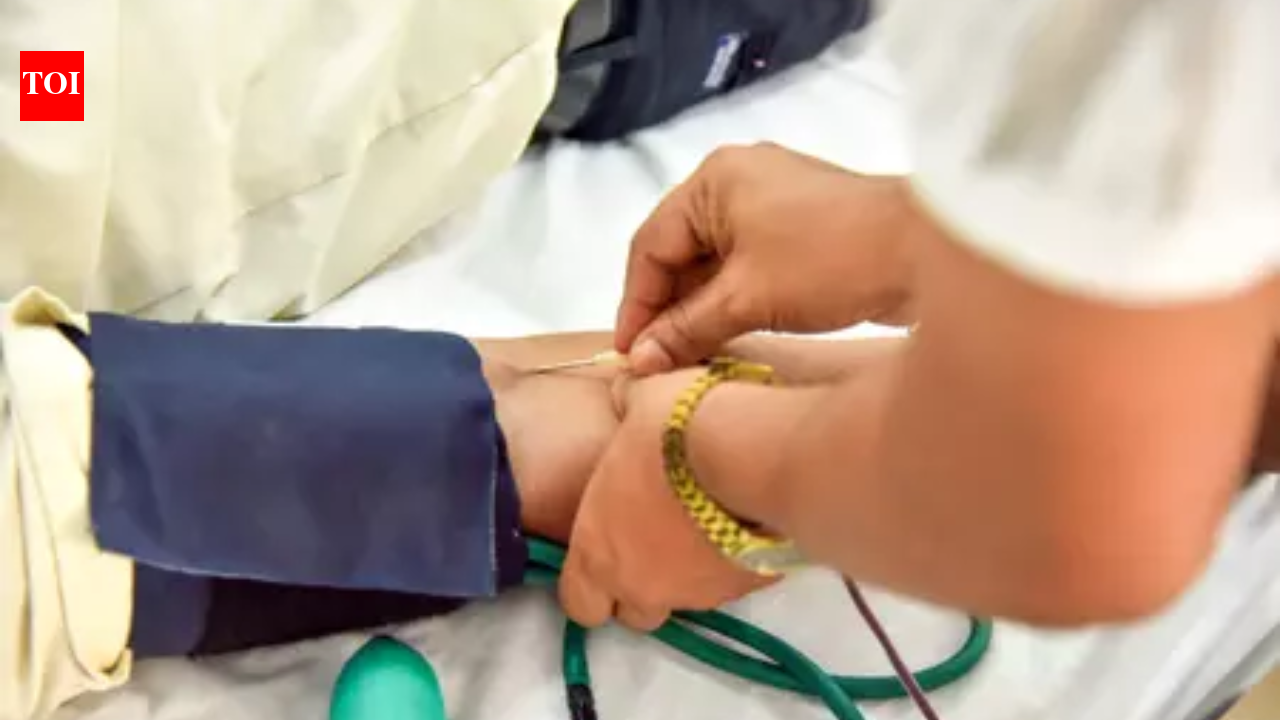
According to the study’s framing, stronger public spending is needed not only to expand hospitals and primary care facilities but also to improve staffing, preventive care and quality of services across regions. The authors stress that without sustained investment, health outcomes can diverge more sharply between urban and rural areas and between income groups, especially when inflation and lifestyle-related diseases raise long-term treatment costs.
The timing of the report places healthcare firmly on the policy agenda as ministries prepare budget priorities. In recent years, the debate has moved beyond just adding beds or equipment, and increasingly focuses on building resilient systems: better surveillance, stronger public health laboratories, wider insurance coverage where applicable, and the capacity to respond quickly during outbreaks or disasters.
For households, the study’s central point is straightforward: when public services are insufficient, families often pay more privately, and those costs can quickly become catastrophic. The researchers therefore call for budget choices that treat health spending as a foundational investment in productivity and social equity, rather than a discretionary expense that can be deferred.