Study ahead of Budget 2026-27 urges higher public healthcare spending to curb inequality
A new academic study released ahead of the Union Budget 2026-27 calls for a sharper increase in India’s public healthcare expenditure, warning that economic and social change is pushing medical costs up and deepening inequality in access. The research analyses long-term national data and argues that stronger public investment is crucial for affordability and universal access.
Researchers warn rising costs are widening access gaps
As the Union Budget 2026-27 approaches, an academic study has renewed calls for India to increase public healthcare expenditure. The researchers argue that structural changes in the economy and society are raising healthcare costs and worsening inequality, making it harder for many households to access timely and affordable treatment.
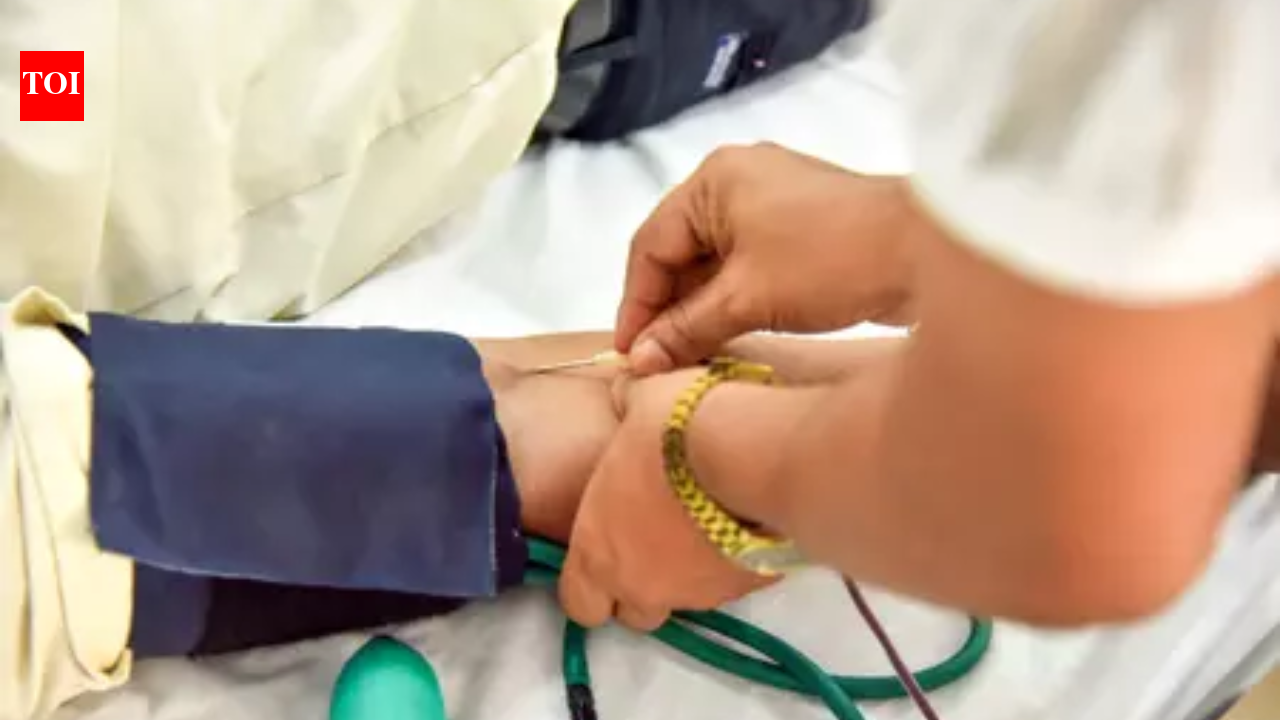
The study draws on data spanning more than three decades (1991–2023) and examines factors that influence healthcare spending at both the overall per-capita level and the household out-of-pocket level. The analysis highlights how variables such as income growth, inflation, urbanisation, education and life expectancy shape the way spending pressures are distributed between the state and families.
A central implication is that when public systems do not keep pace with demand, households absorb more financial shock through out-of-pocket payments, often with unequal impact across regions and income groups. The research urges policymakers to treat public spending not just as a welfare measure but as a tool to reduce inequities, improve system resilience and strengthen preventive and primary care.
With the budget cycle bringing health allocation decisions into focus, the study adds to an ongoing debate: whether India should accelerate public investment in hospitals, workforce and public health programmes to reduce avoidable medical debt and ensure broader coverage. The argument is that targeted, sustained increases—paired with efficiency and accountability—could improve outcomes and reduce the cost burden on families.
What the study is pushing policymakers to consider
- Raise public health expenditure to counter rising medical costs and inequality.
- Reduce dependence on out-of-pocket payments through stronger public provisioning.
- Treat health investment as essential infrastructure for productivity and social stability.