Ahead of Budget 2026-27, study urges higher public healthcare spending as costs rise and inequality deepens
An academic study released ahead of the Union Budget 2026-27 argues India needs a sharper increase in public healthcare expenditure to counter rising medical costs and unequal access. The research analyses long-run drivers of healthcare spending and flags the policy need for stronger public investment and reduced out-of-pocket burden.
With the Union Budget 2026-27 approaching, new academic research has revived calls for a stronger rise in public healthcare expenditure. The study argues that economic and social shifts are pushing medical costs upward, while unequal access to treatment risks widening disparities between income groups and regions.
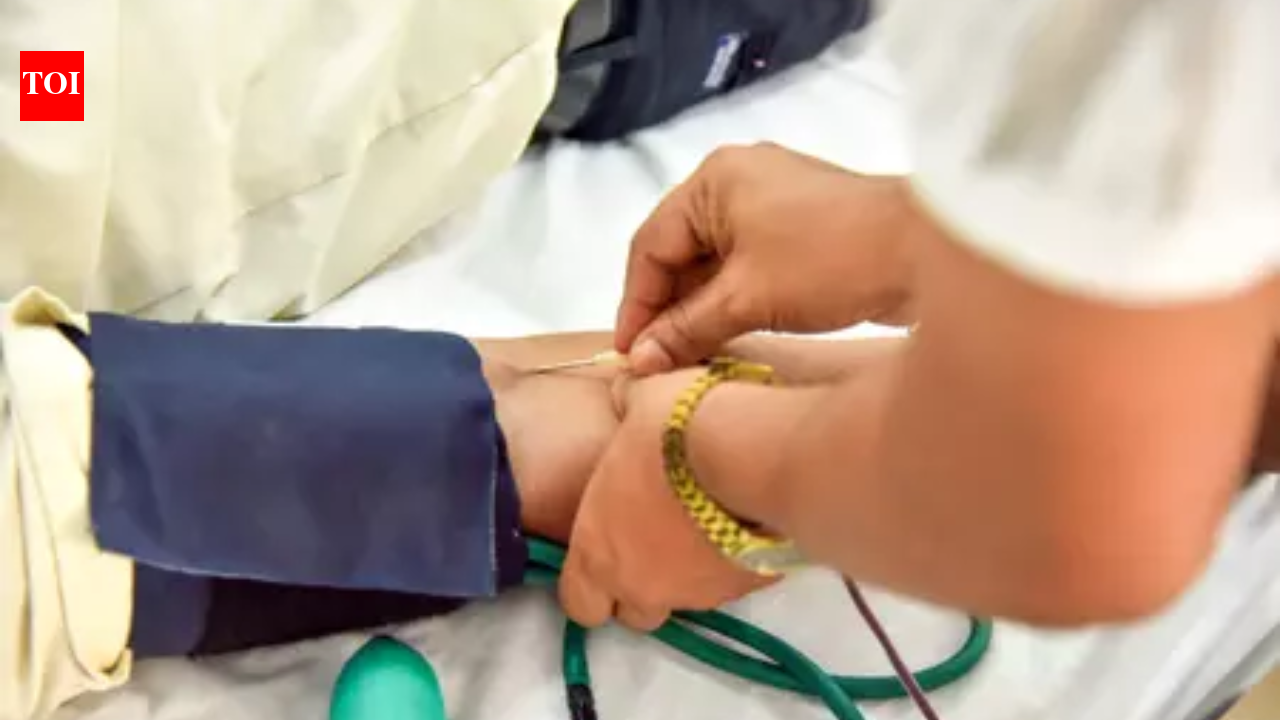
The research examined national data across more than three decades, from 1991 to 2023, to understand what drives healthcare expenditure in India. It looked at both overall per-capita spending and household out-of-pocket (OOP) payments, a crucial concern for families that face sudden medical shocks without adequate financial protection.
What the study analysed
According to the report, multiple structural factors shape long-term health spending and OOP burden. These include per capita income changes, education enrolment, urbanisation, inflation, life expectancy, and the level of public health expenditure. The central warning is that without higher public investment, rising demand and changing disease patterns can translate into higher private spending and deeper inequality in access.
Why it matters ahead of the Budget
- Higher public spending can reduce OOP stress for households over time.
- Better-funded public health systems can expand access, especially in underserved areas.
- Preventive care and primary healthcare investment can lower long-run costs.
- Budget allocations can influence equity by narrowing gaps in availability and affordability.
As policymakers prepare Budget 2026-27, the study’s timing adds pressure for measurable increases and targeted allocations rather than incremental tweaks. The debate is not only about the size of spending, but also about how efficiently it is deployed to reduce inequality and improve outcomes across states and income levels.