A year after Pune’s GBS outbreak, civic body still short on water safety and hospital preparedness, report says
A year after Pune faced a major Guillain-Barré Syndrome (GBS) outbreak that investigations linked to contaminated water, a report says gaps persist in water safety and hospital readiness. The Pune Municipal Corporation is still awaiting clearance for a dedicated treatment plant in affected areas, while doctors and activists argue that stockpiling critical medicines and improving early diagnosis pathways remain urgent priorities.
A year after Pune’s Guillain-Barré Syndrome (GBS) outbreak—one of the most severe episodes the city has faced—civic and hospital systems remain inadequately prepared, according to a report that points to slow progress on water safety measures and continuing concerns over clinical readiness in the areas most affected.
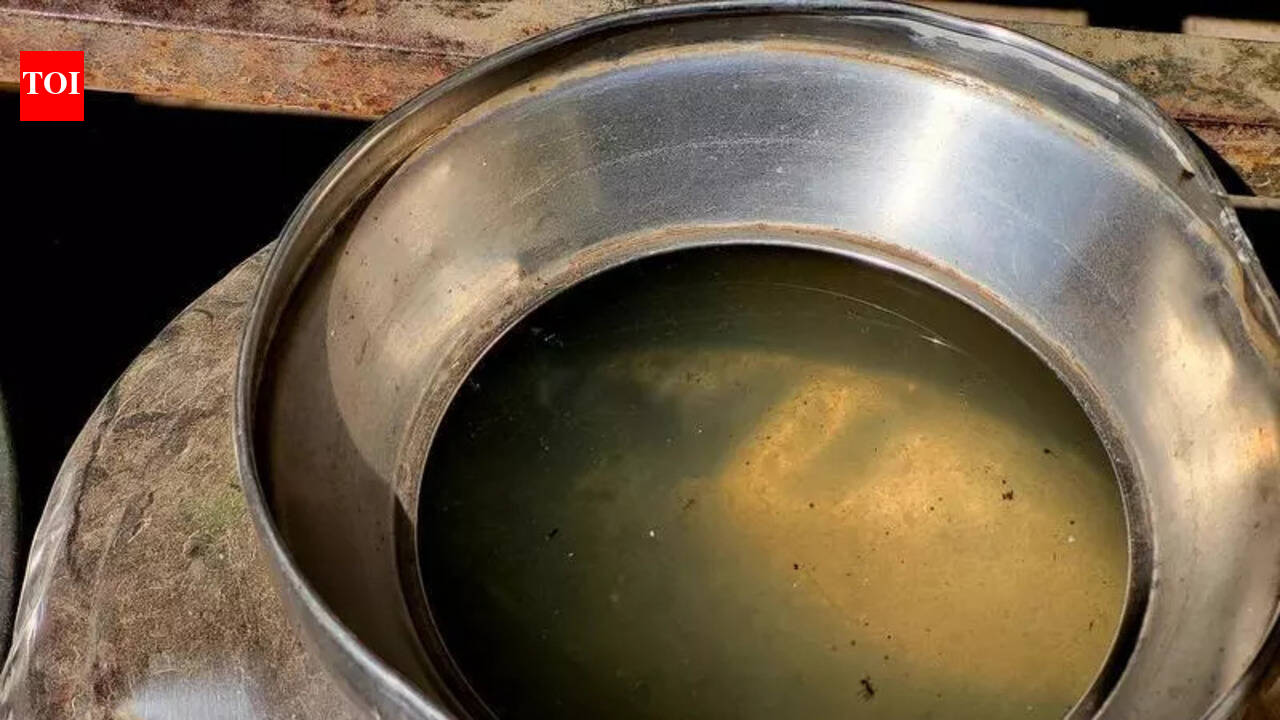
Investigations had indicated contaminated water as a probable trigger for the outbreak, yet the Pune Municipal Corporation (PMC) has not established a dedicated water treatment facility for the affected zones. Officials said they are awaiting land-use clearance to proceed, a delay that has kept a key corrective step on hold.
Testing, surveillance and hospital capacity gaps
PMC officials highlighted steps such as automation of chlorination across treatment plants and routine random sampling, but the report notes unresolved weaknesses, including the lack of testing for water from RO suppliers. The civic body indicated it may move towards third-party laboratory testing via a tendering process, while simultaneously working to replace ageing sewage pipelines in high-risk areas.
On the clinical side, the earlier surge exposed ICU constraints, diagnostic delays and shortages of intravenous immunoglobulin (IVIG), a critical treatment in severe GBS cases. Health experts quoted in the report argued that early diagnosis pathways and assured access to rare but essential drugs can be decisive, because outcomes can deteriorate rapidly when care is delayed.
One response has been the creation of specialised care pathways: a Pune hospital has launched a dedicated GBS clinic aimed at faster diagnostics, immediate treatment and rehabilitation planning under one roof, reflecting a shift toward structured handling of neurological emergencies.
Activists cited in the report framed the episode as a missed opportunity to strengthen public and private healthcare systems after a crisis. The broader warning is that without sustained improvements in water safety, disease surveillance and emergency preparedness, cities remain vulnerable to repeat episodes that can overwhelm hospitals and disrupt communities.