IMD warns of heavy snow, hailstorms and widespread rain from Jan 26 as western disturbance moves in
The India Meteorological Department has issued alerts for heavy snowfall, hailstorms, thunderstorms and widespread rain as a western disturbance is set to impact several regions from January 26. Authorities and travellers are being advised to prepare for disruptions, including reduced visibility, blocked roads and transport delays.
IMD’s forecast and timing
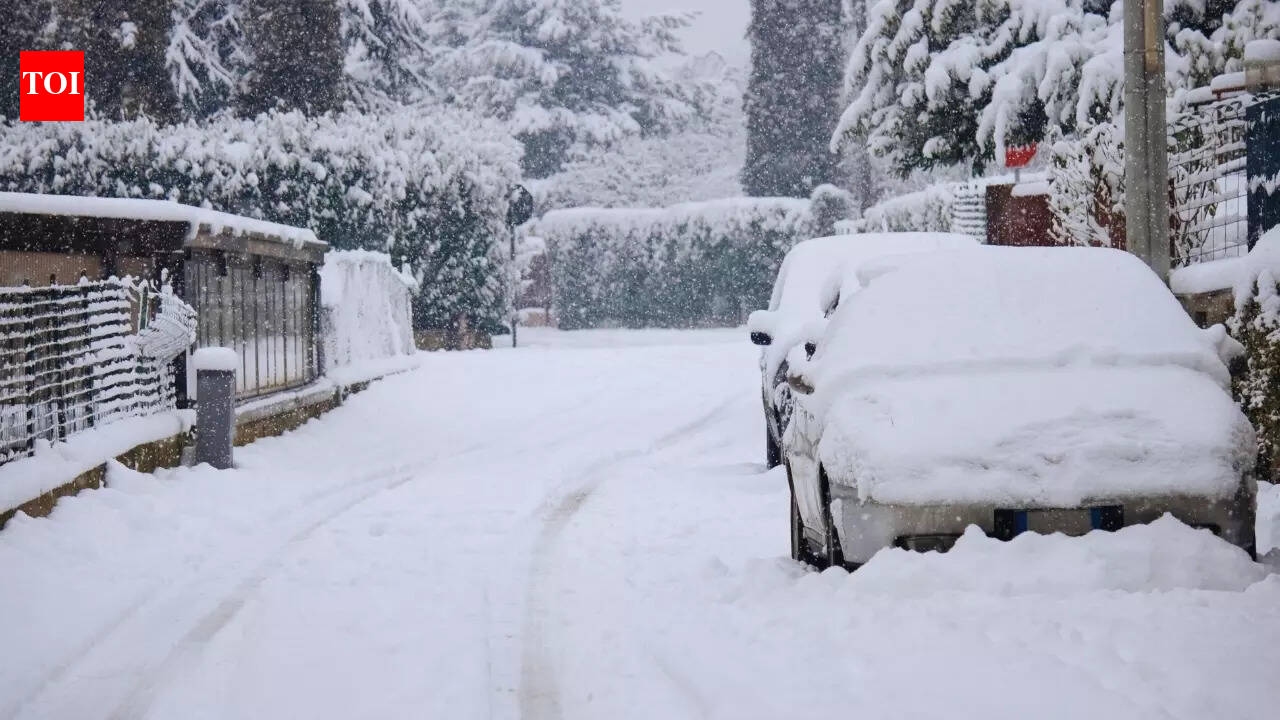
The India Meteorological Department (IMD) has warned of a spell of unsettled weather beginning January 26, 2026, driven by a western disturbance. Alerts point to heavy snowfall in hill regions, along with hailstorms, thunderstorms, gusty winds and widespread rainfall in parts of north, northwest and central India, with peak intensity expected around January 27 before conditions begin easing.
Public health and safety concerns
Severe winter weather can elevate health risks, especially for children, the elderly and people with respiratory or cardiac conditions. Cold exposure, hypothermia risk in high-altitude regions, and injuries linked to slips on icy surfaces tend to rise during such spells. In addition, fog and storms can increase accident risk on highways and complicate emergency response times.
Travel, visibility and disruption risks
Weather alerts of this type often coincide with travel disruptions, including flight delays due to low visibility, road closures in hill districts, and sudden traffic pile-ups when snow clearance operations lag behind accumulation. Motorists are typically urged to avoid unnecessary night travel in affected mountain stretches and to carry essentials if travel cannot be deferred.
Practical precautions
- Monitor IMD updates and local administration advisories at least twice daily
- Limit exposure during peak cold and keep layered clothing and dry footwear
- If travelling to hills, carry water, food, a fully charged phone and basic medicines
- Drive slowly in fog/snow, use fog lights appropriately and maintain safe distance
- Check on vulnerable neighbours and ensure adequate indoor heating/blankets
As the western disturbance evolves, local district advisories and route-specific restrictions may change quickly, so travellers and residents in vulnerable zones should plan with buffers and alternate routes where possible.