Healthcare in 2026: Doctor flags rising NCD costs, workforce gaps and uneven access as key challenges
A doctor-led assessment has highlighted major healthcare pressures India faces in 2026, from the rising cost of non-communicable diseases (NCDs) like diabetes and hypertension to shortages in trained workforce and persistent urban–rural gaps. The piece argues that scaling preventive screening, strengthening public facilities and improving digital integration will be crucial to keep care affordable and accessible.
The pressure point: chronic disease and household costs
India’s healthcare challenge in 2026 is increasingly defined by non-communicable diseases (NCDs) such as diabetes and hypertension, which require lifelong management, repeated diagnostics and long-term medication. As families bear a large share of treatment expenses through private care, chronic illness can quickly turn into a sustained financial burden, especially when outpatient costs are not fully covered by insurance.
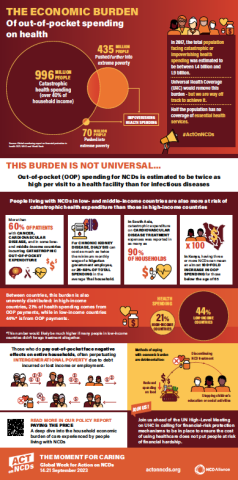
The assessment notes that large-scale screening has expanded in recent years, but argues that early detection must translate into dependable follow-up: medicines available in public facilities, consistent monitoring and community-level support that prevents complications. Without this, costs compound—both for households and for the health system.
Workforce and infrastructure gaps
A recurring constraint is human resources. Even with improved infrastructure and technology, care delivery still depends on adequate doctors, nurses and allied health workers—particularly in rural areas where specialist vacancies and limited diagnostics can delay treatment and worsen outcomes.
The piece also flags the urban–rural divide: while a majority of Indians live outside major cities, advanced facilities and beds remain concentrated in urban centres. Strengthening district hospitals, community health centres and referral systems is presented as essential to reducing avoidable travel, delays and out-of-pocket spending.
Digital health: progress, but integration is the challenge
India’s digital health stack has expanded rapidly through teleconsultations and large-scale digital record initiatives. However, the core problem is interoperability—records and systems that do not consistently talk to each other across clinics, insurers, diagnostics and hospitals. The analysis suggests that improving integration and frontline digital capacity will be a defining healthcare task for 2026.
What could make a practical difference in 2026
- Make screening meaningful: link early detection to reliable treatment and follow-up in public facilities.
- Fill rural specialist and nursing gaps through targeted hiring, retention and faster operationalisation of training capacity.
- Improve referral and emergency readiness at district level, not only tertiary-city hospitals.
- Focus on digital integration standards so patient records move with the patient across providers.
The message is that affordability will depend less on single flagship schemes and more on system basics: medicines, staffing, referral pathways and integrated records—so that prevention and early care actually reduce complications and costs.