Delhi air improves briefly after rain and winds, but cold and pollution risks remain for Republic Day week
Delhi saw a short-lived improvement in air quality after rain and gusty winds pushed AQI to a 102-day low, but forecasts indicate a return to poorer conditions around Republic Day week. Cold temperatures, fog and changing wind patterns can raise health risks for children, older adults and people with respiratory illness.
AQI hits a 102-day low, then the warning: it may not last
Delhi recorded a notable improvement in air quality after rain and gusty winds, with the city’s Air Quality Index (AQI) falling to a 102-day low. The improvement offered temporary relief after months of high pollution readings, but forecasters cautioned that air quality could slip back into “poor” or “very poor” categories as weather conditions change around the Republic Day period.
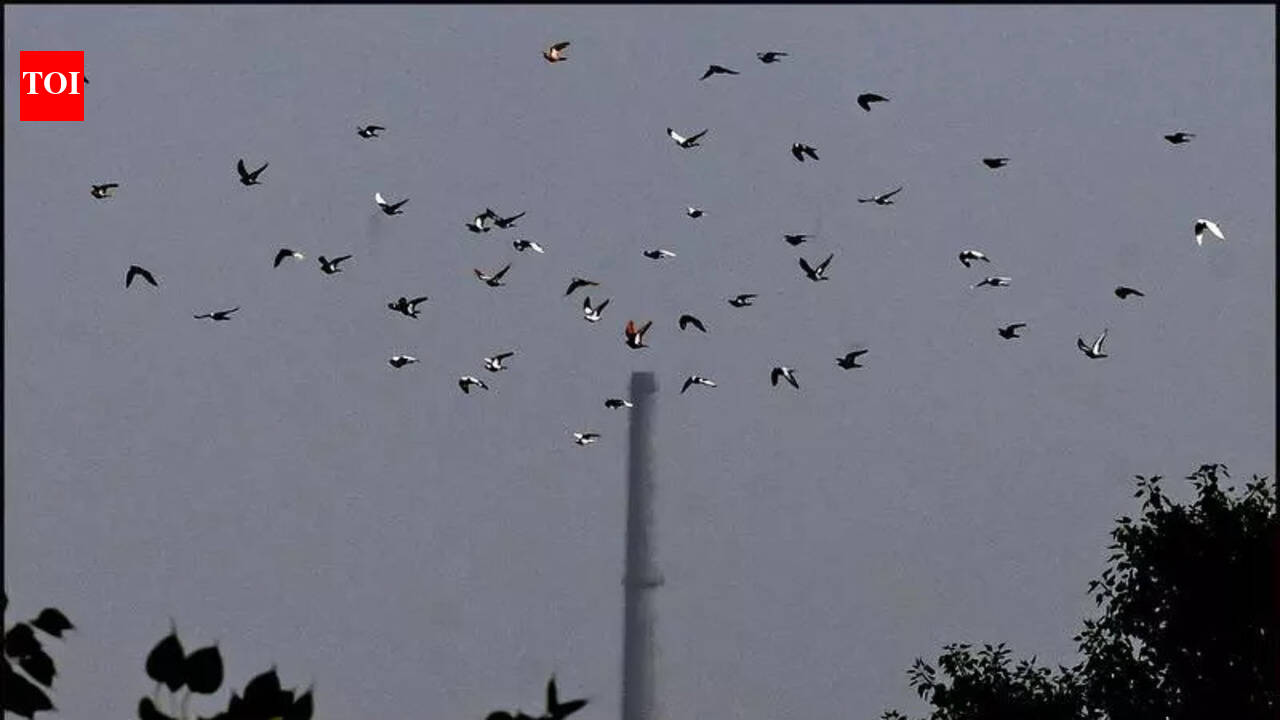
Winter meteorology often dictates Delhi’s pollution pattern. When winds drop and temperature inversions strengthen, pollutants get trapped closer to the ground. Even if one rain-and-wind episode clears the air, the benefit can fade quickly once calmer conditions return.
Why this is also a health story, not only a weather update
Air pollution is a public health issue because short spikes can aggravate asthma, bronchitis and other respiratory conditions, and prolonged exposure increases broader health risks. Cold air and fog can compound the strain: colder temperatures may tighten airways, and poor visibility can increase road-risk stress and reduce outdoor activity, which affects physical and mental wellbeing.
Health impacts are not evenly distributed. Children, older adults, pregnant people, and anyone with asthma, COPD or heart disease tend to be more vulnerable during weeks when pollution rises and temperatures fall.
Practical precautions for the coming days
- Check AQI daily and reduce long outdoor exercise when air is “poor” or worse, especially in early mornings.
- If you have asthma or chronic respiratory illness, keep prescribed inhalers/medicines accessible and follow your action plan.
- Use a well-fitted mask outdoors on high-pollution days, and keep indoor air cleaner by limiting smoke sources.
- For children and older adults, prioritise warm clothing and avoid prolonged exposure in cold, polluted conditions.
Delhi’s brief improvement shows how strongly weather influences pollution. But the forecasted return of poorer air quality means residents should treat the next week as a period of variable risk—planning commutes, outdoor time and health precautions accordingly.