Cold snap and dense fog warnings return across NCR, raising health and travel risks as another wet spell nears
After rain, temperatures in parts of the National Capital Region dropped sharply, with forecasts pointing to more rain, thunderstorms, gusty winds and dense fog. The weather shift can increase respiratory stress, accident risks and vulnerability among the elderly and those with chronic illnesses.
Parts of the National Capital Region are bracing for a return of sharper winter conditions, with local reporting pointing to a steep fall in minimum temperatures after rainfall and the passage of a weather system. In Gurgaon, the minimum temperature dropped markedly in a single day, a shift attributed to cold north-westerly winds.
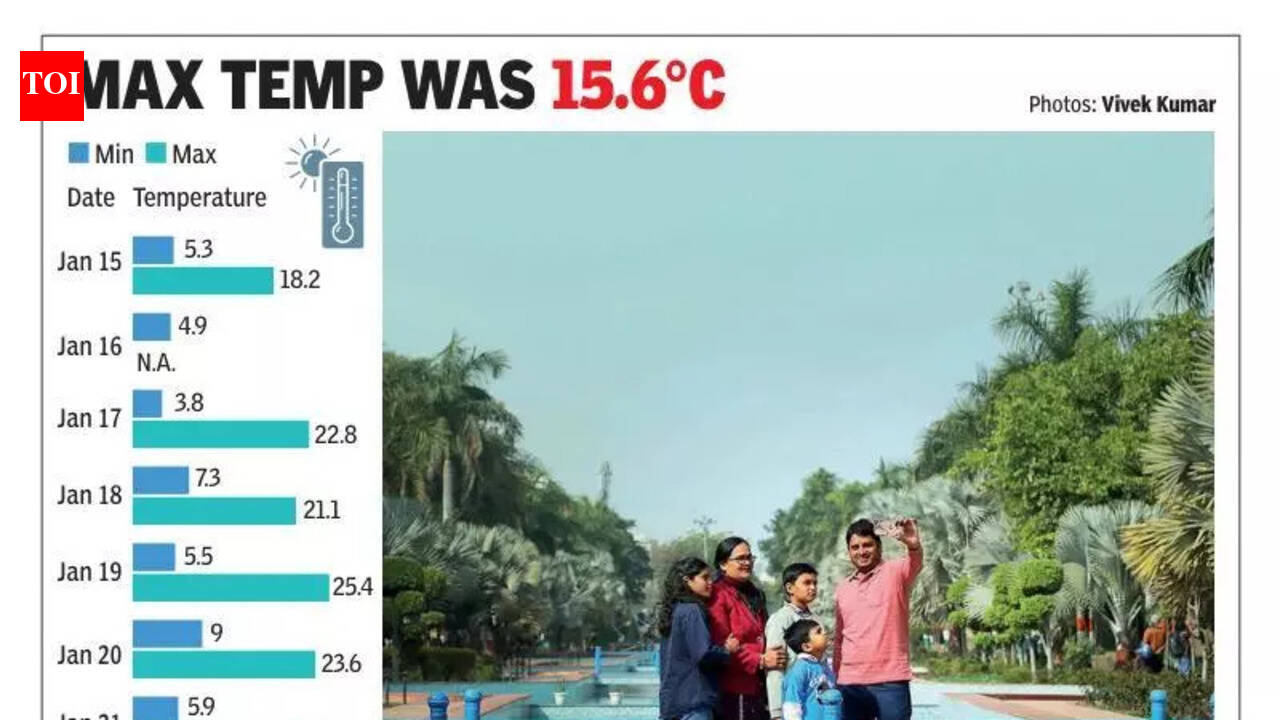
The same forecast cited in the report warned of another spell of light to moderate rain beginning January 26, with peak impact expected around January 27. It also flagged thunderstorms, lightning, gusty winds and the possibility of dense to very dense fog—especially overnight and in the early morning.
Health implications of fog, cold and damp air
Sudden temperature dips and prolonged exposure to cold can aggravate respiratory symptoms and increase stress on the cardiovascular system, particularly for seniors and people living with asthma, COPD, hypertension or heart disease. Dense fog can also trap pollutants near the ground, intensifying irritation for sensitive groups even when citywide pollution indices fluctuate.
Foggy conditions also raise accident risk. Reduced visibility affects road safety for commuters and commercial transport, while damp surfaces increase the chance of slips and falls—especially for older adults.
Practical precautions for the next 48–72 hours
- Limit early-morning outdoor exercise if you are sensitive to cold air or pollution; shift activity to late morning when visibility and temperatures improve.
- Dress in layers and keep extremities warm; sudden drops can be harder on the body than steady cold.
- If travelling, plan for fog-related delays and drive with low-beam lights, slower speeds and increased following distance.
- People with chronic respiratory disease should keep prescribed inhalers/medication accessible and avoid exposure to cold gusty winds.
With more unsettled weather expected, residents should be prepared for rapid swings—clearer periods followed by foggy, colder intervals—rather than a steady winter pattern.