India and EU clinch landmark free-trade pact after years of talks, linking tariffs, mobility and strategic cooperation
India and the European Union have concluded a major free-trade agreement after years of negotiations, promising broad tariff reductions and improved market access, alongside cooperation on mobility and strategic issues.
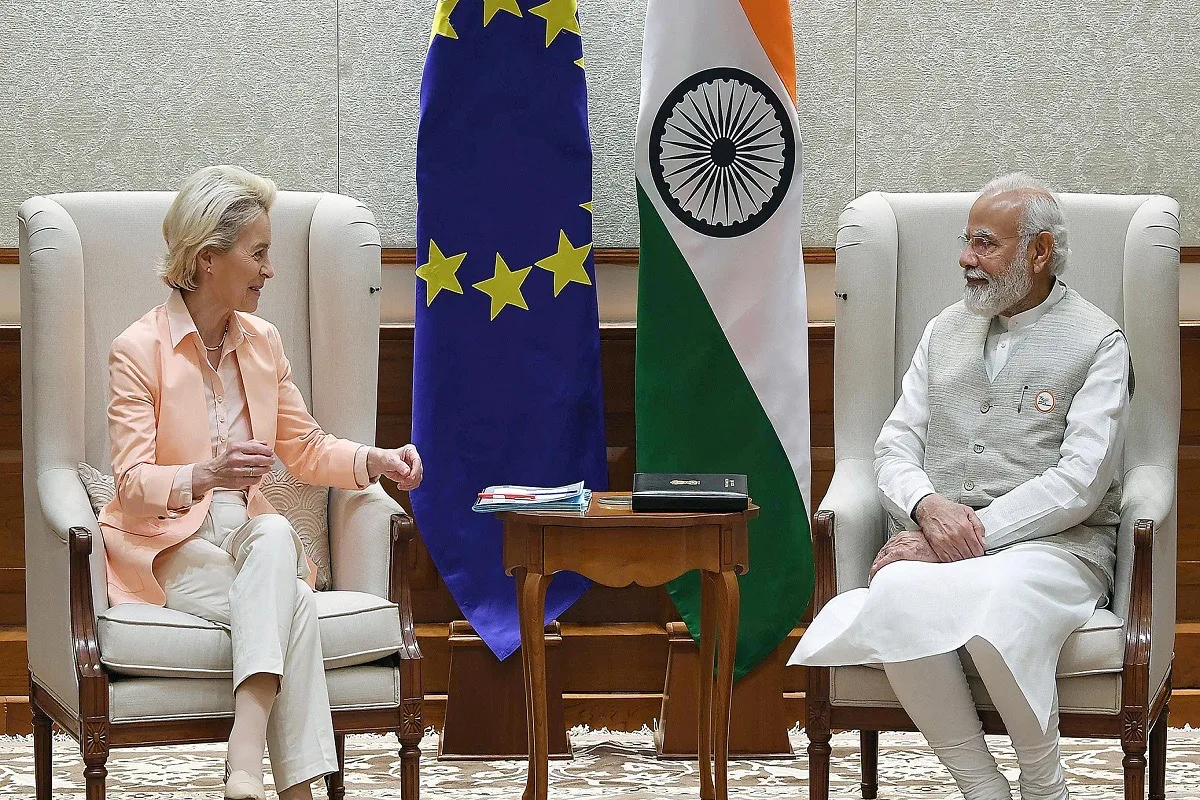
India and the European Union have reached a landmark free-trade agreement on 27 January 2026, ending a long, stop-start negotiation cycle and opening a new phase in economic and strategic ties between New Delhi and the 27-nation bloc. The agreement is being framed by both sides as unusually large in scale, given the size of the two markets and the breadth of goods and services affected.
What the pact does (in broad terms)
The deal aims to lower or remove tariffs on a large share of goods traded between India and the EU and to expand access in selected services, while keeping politically sensitive areas protected. The intent is to make Indian exports more competitive in Europe and reduce the cost of many European products in India over phased timelines, rather than overnight.
For Indian industry, the promise is improved entry for labour-intensive and high-volume categories such as textiles, leather and select engineering goods. For European exporters, the biggest attention has been on reduced duties in sectors like automobiles and other industrial products, though details vary by product and phase.
More than tariffs: mobility and cooperation
Alongside trade liberalisation, the India–EU package includes steps aimed at easing movement for certain groups such as young professionals, students or specific worker categories under defined conditions, and it is tied to closer cooperation on standards, processes and strategic priorities.
The pact is still expected to go through required domestic processes before it takes effect, and implementation will be staged over multiple years. Businesses on both sides will likely need to track product-specific schedules, rules-of-origin requirements and compliance obligations to actually benefit from lower duties.
Why it matters now
- It diversifies trade partnerships at a time of heightened global tariff and supply-chain uncertainty
- It creates potential new export lanes for India into a high-value consumer market
- It signals deeper strategic alignment between India and the EU beyond commerce
While the headline numbers are substantial, the practical impact will depend on how fast tariff cuts are rolled out, which categories are excluded, and how quickly firms adjust supply chains and documentation to meet the agreement’s conditions.