EU-India free trade agreement gathers pace as talks accelerate; signing expected later in 2026
Negotiations between India and the European Union have accelerated over the past six months, with leaders describing the agreement as one of the most comprehensive India has pursued. While the deal has been finalised politically, the formal signing is expected later in 2026, and implementation could follow in early 2027.
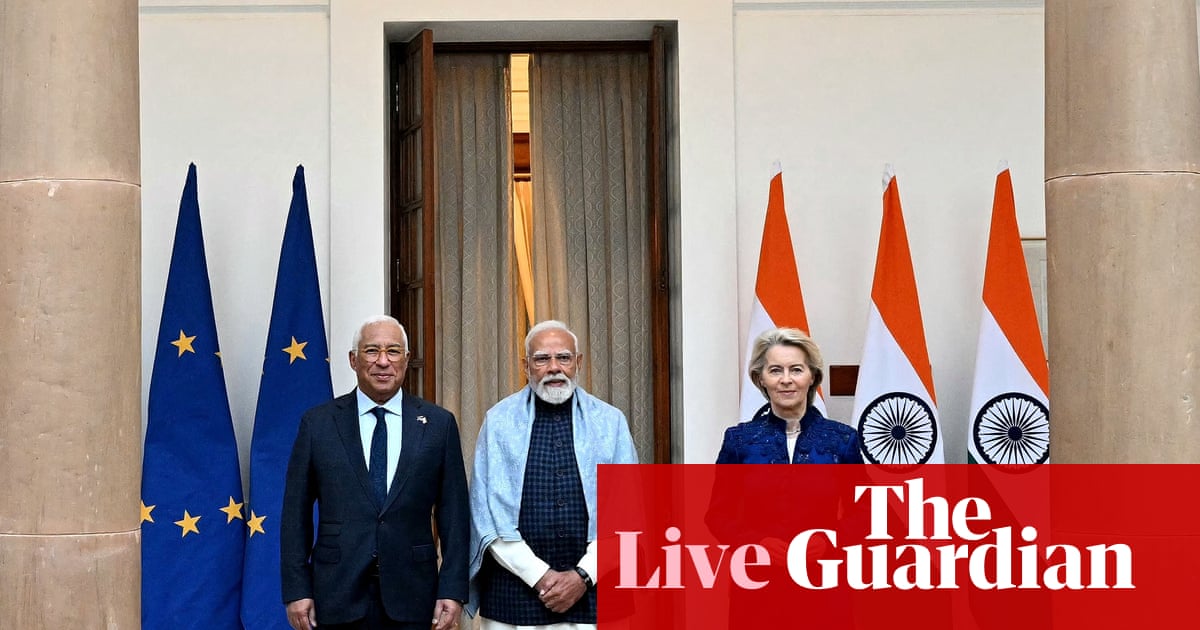
India and the European Union have pushed forward a wide-ranging free trade agreement after talks gained momentum over the past six months, according to reporting on Tuesday, January 27, 2026. European Commission President Ursula von der Leyen described the pact as the “mother of all deals”, while India’s Prime Minister Narendra Modi framed it as a major opening of opportunities for Indian and European businesses.
Why the negotiations sped up
The report said the push intensified amid shifting global trade conditions, including tariff pressures from the US and shared concerns around supply chains and manufacturing dominance. Officials pointed to the scale of market access at stake, as the EU seeks deeper entry into India’s traditionally protected sectors while India seeks stronger pathways for goods, services and investment into Europe.
What’s in focus for both sides
Trade discussions between India and the EU date back to 2007, but earlier rounds were abandoned due to disagreements on issues such as automobiles, agriculture and dairy. Talks were resumed in 2022, and the latest phase is being presented as far more urgent and strategically framed than in prior years.
Timeline and next steps
- Political agreement and public announcements were made on January 27, 2026.
- Officials indicated formal signing would take place later in 2026.
- The agreement could begin operating in early 2027, subject to legal and procedural steps.
For India, the pact is expected to be judged not only on tariff reductions but also on whether it improves access for Indian exporters and service providers, and whether investment rules and regulatory alignment are workable. For Europe, the question is how quickly the agreement translates into meaningful entry into Indian markets while addressing standards and compliance frameworks across industries.