On Republic Day, China’s Xi sends message to President Murmu, invokes ‘dragon and elephant’ line
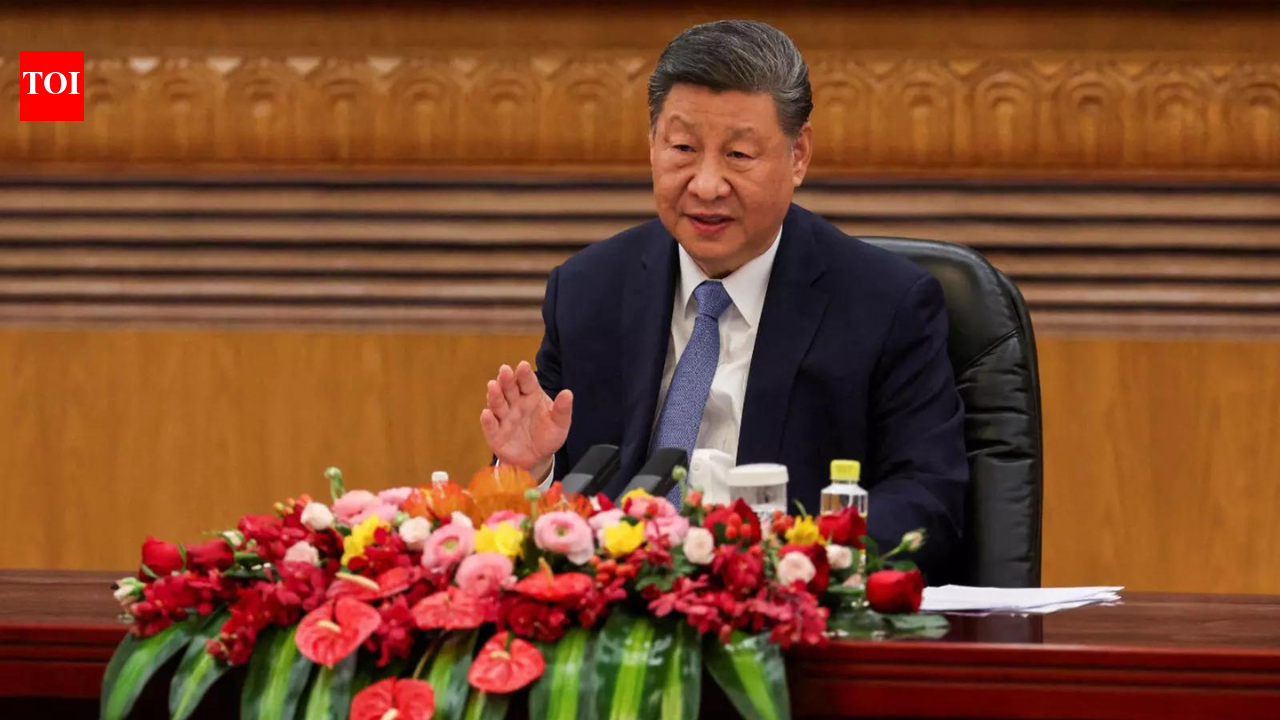
Chinese President Xi Jinping sent Republic Day greetings to President Droupadi Murmu, describing India and China as neighbours and partners and repeating the familiar “dragon and elephant dancing together” formulation. The message arrives amid cautious efforts to manage ties, with symbolism carrying weight even when unresolved issues persist.
A greeting framed as partnership
On January 26, 2026, China’s President Xi Jinping sent greetings to President Droupadi Murmu on India’s Republic Day, using language that presented the relationship as cooperative and future-facing. The message described India and China as neighbours, friends and partners, and revived a phrase often used to evoke the idea of two large Asian powers prospering simultaneously: the “dragon and the elephant” moving together.
Why such messages matter
Diplomatic greetings on national days are routine, but their wording is rarely accidental. In the India–China context, where strategic competition and bilateral friction can coexist with economic interdependence, symbolic formulations can function as a low-cost signal of intent. By choosing a widely quoted metaphor, Beijing’s message aimed to project normalcy and partnership without addressing any specific points of disagreement in public.
A relationship that carries multiple tracks
The relationship between New Delhi and Beijing often runs on parallel tracks: high-level diplomatic messaging, periodic talks, and day-to-day management of practical issues, while underlying strategic concerns remain. In that setting, a Republic Day greeting can be interpreted as part of the “stable engagement” track—an attempt to keep channels open, maintain a civil tone, and avoid rhetorical escalation, especially on an occasion closely watched within India.
The India audience and the regional audience
For Indian audiences, such greetings tend to be read through a prism of realism: goodwill statements are noted, but expectations are shaped more by outcomes than words. Regionally, however, the signal can still matter. When Beijing invokes partnership language on a public platform, it also communicates to other Asian capitals and global observers that it wants to be seen as capable of “co-existing” with India, even amid competition.
What to watch next
The real test of such messaging is what follows: whether engagement deepens, whether stabilisation measures hold, and whether routine diplomatic contact remains consistent. Republic Day greetings alone do not alter policy, but they can set a tone—particularly when the statement is amplified by media coverage and then echoed or moderated by subsequent official actions.