India votes against UNHRC resolution censuring Iran, aligns with non-interference stance
India voted against a UN Human Rights Council resolution that deplored Iran’s crackdown on protests and extended a fact-finding mission’s mandate, with the decision framed around India’s long-held discomfort with country-specific resolutions and intrusive investigative mechanisms.
The vote at the UN Human Rights Council
India has voted against a United Nations Human Rights Council (UNHRC) resolution that strongly criticised Iran’s handling of protests and extended the mandate of a fact-finding mission for another two years. The resolution was adopted in the 47-member body with 25 votes in favour, seven against and 14 abstentions, but India was among those that opposed it.
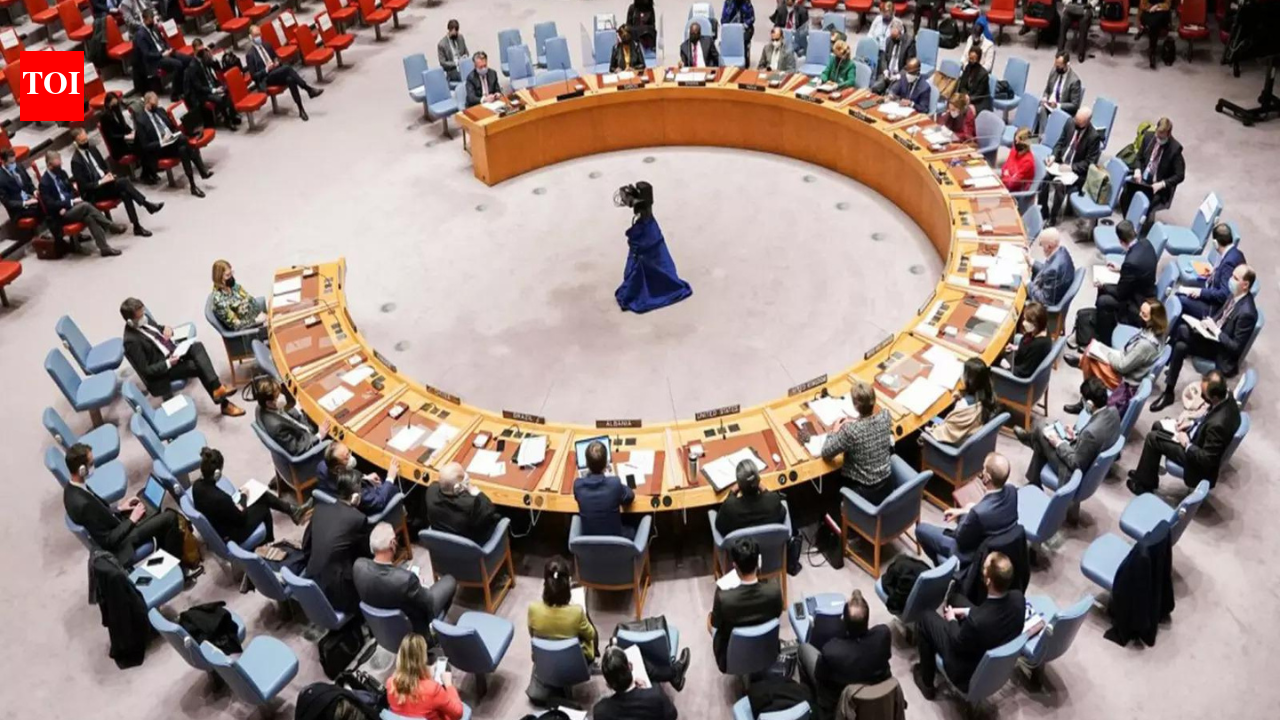
According to the report, India joined China, Pakistan and other countries in voting against the measure. The resolution also authorised the mission to investigate what it described as “repression” linked to protests, including incidents cited as occurring in the previous month.
How India explained the position
The decision is consistent with India’s traditional reluctance to support country-specific resolutions at multilateral fora, where New Delhi often argues that such actions can become politically motivated and risk infringing on national sovereignty. The report noted that India has mostly voted against similar Iran-related resolutions in the past.
The report also highlighted how India’s posture has shifted over recent years—abstaining at one point and later moving to opposition—depending on the broader diplomatic context and bilateral sensitivities. In practical terms, the vote signals India’s preference for engagement and strategic autonomy over public condemnation in UN human-rights mechanisms.
Why it is being watched
The vote is being closely watched because India’s ties with Iran span energy history, regional connectivity and strategic projects. With West Asia politics under constant churn and global powers using multilateral platforms to build pressure, New Delhi’s UNHRC stance often gets read as an indicator of how it intends to balance values-driven diplomacy with hard interests.