India begins BRICS chair year with push for “reformed multilateralism”, Jaishankar sets agenda
As India assumes the BRICS chair from January 1, 2026, External Affairs Minister S Jaishankar has called for “reformed multilateralism” and more representative global institutions, framing India’s chair year as a platform for development-focused cooperation.
India has formally taken over the BRICS chairmanship for 2026, and the government is using the opening weeks of the chair year to sharpen its pitch for changes in global governance. At an event tied to the start of preparations for the 18th BRICS Summit, External Affairs Minister S Jaishankar urged the grouping to commit to “reformed multilateralism” that reflects current realities rather than outdated power structures.
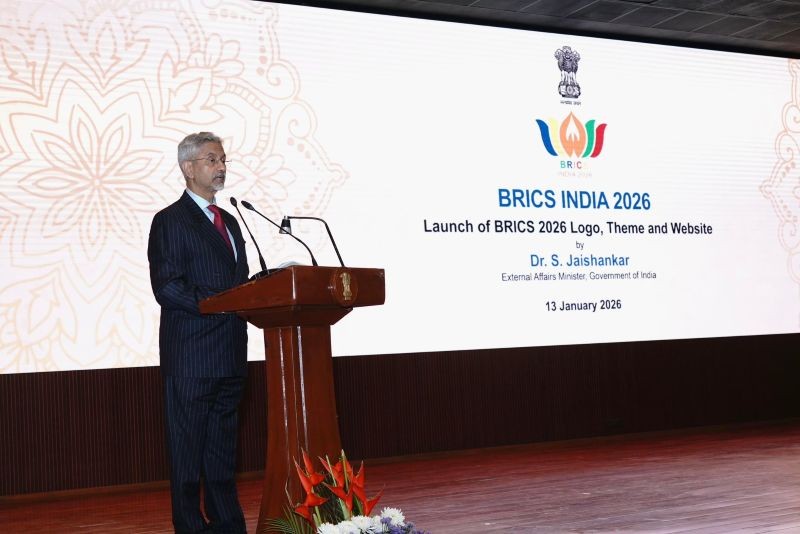
Jaishankar argued that the world is facing simultaneous stresses—economic uncertainty, geopolitical friction, and sharper competition over technology and trade—and that institutions meant to manage global cooperation must become more representative and inclusive. He specifically highlighted the need for global bodies to better mirror contemporary power and population realities, positioning BRICS as a forum that can amplify the demand for reform.
India’s chair year will involve organising the summit and a sequence of ministerial and working-group meetings. The government’s early messaging signals two priorities: first, to build consensus within BRICS on institutional reform; second, to keep the agenda anchored in practical outcomes such as development, resilience, innovation and sustainable growth—areas where India wants deliverables rather than declarations.
The chairmanship also gives New Delhi a diplomatic stage at a time when many countries are reassessing supply chains, financial systems and trade rules. India’s stance, as outlined by Jaishankar, is that reform is not an abstract ambition but a requirement for legitimacy: if global institutions fail to adapt, countries will increasingly seek alternatives and parallel platforms.
With the BRICS calendar now under India’s stewardship, the coming months will test whether the grouping can translate calls for reform into coordinated positions, particularly on issues that historically split members—such as trade policy, currency and finance, and regional security. For India, the opening pitch is clear: BRICS should press for a multilateral order that is more effective, more inclusive, and better aligned with the present-day balance of interests.