EU chief Ursula von der Leyen in Delhi to push trade, defence and mobility deals with India
European Commission President Ursula von der Leyen is in New Delhi for a multi-day visit aimed at accelerating India–EU talks on trade, defence cooperation and mobility arrangements, as both sides attempt to deepen strategic ties amid shifting global supply chains and security priorities.
A high-stakes India–EU push
European Commission President Ursula von der Leyen has arrived in New Delhi for a four-day visit focused on strengthening India–European Union cooperation. The discussions are expected to centre on a package of trade, defence and mobility initiatives that could reshape the relationship over the coming years.
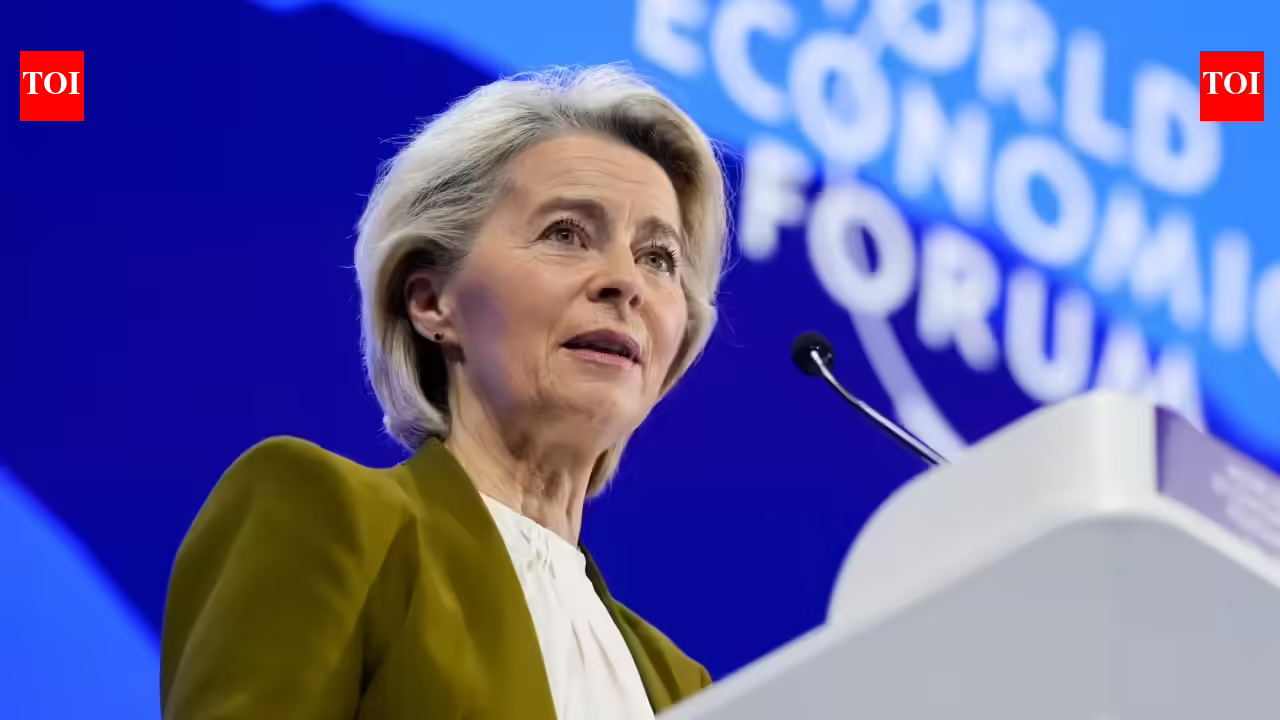
The visit comes as India and the EU look to translate long-running negotiations into deliverables. Trade talks began in 2007, were paused in 2013 and were relaunched in June 2022, as both sides sought a more ambitious framework for market access and rules on emerging areas.
Trade, defence and movement of people
Officials are expected to discuss ways to speed up a free trade agreement and related arrangements, alongside a proposed security and defence partnership intended to deepen cooperation. Mobility and talent pathways are also on the agenda, reflecting the growing weight of people-to-people ties and skills needs across sectors.
Beyond commerce, the talks are likely to touch on technology, green collaboration and regional security, areas where India and EU member states have been increasingly aligned. With energy transition goals and supply-chain resilience in focus, both sides have been looking for structured mechanisms that go beyond individual projects.
Why this visit matters
For India, a stronger partnership with Europe can diversify export markets, strengthen standards-based cooperation and unlock investments in advanced manufacturing and clean technology. For the EU, India is a critical partner in the Indo-Pacific, and a key market for business at a time when geopolitical competition is reshaping trade routes.
While major deals typically take time, the visit signals political intent to move negotiations forward and demonstrate tangible progress in 2026. The outcomes will be closely watched by industries that rely on cross-border data, predictable regulations and smoother movement of professionals.