Why India hasn’t cleared Starlink’s direct-to-device satellite plan yet: fresh approvals needed, rules still evolving
Starlink will need new regulatory clearances to roll out direct-to-device satellite connectivity in India, with officials citing approval gaps for its newer constellation and the absence of a clear policy framework for D2D services.
Elon Musk-owned Starlink will require additional approvals before it can offer direct-to-device (D2D) satellite connectivity in India, according to officials quoted in a report published on 27 January 2026. Regulators have cleared Starlink’s first-generation constellation for satellite broadband services, but the company’s newer-generation application has not been approved, limiting the rollout of phone-to-satellite style connectivity.
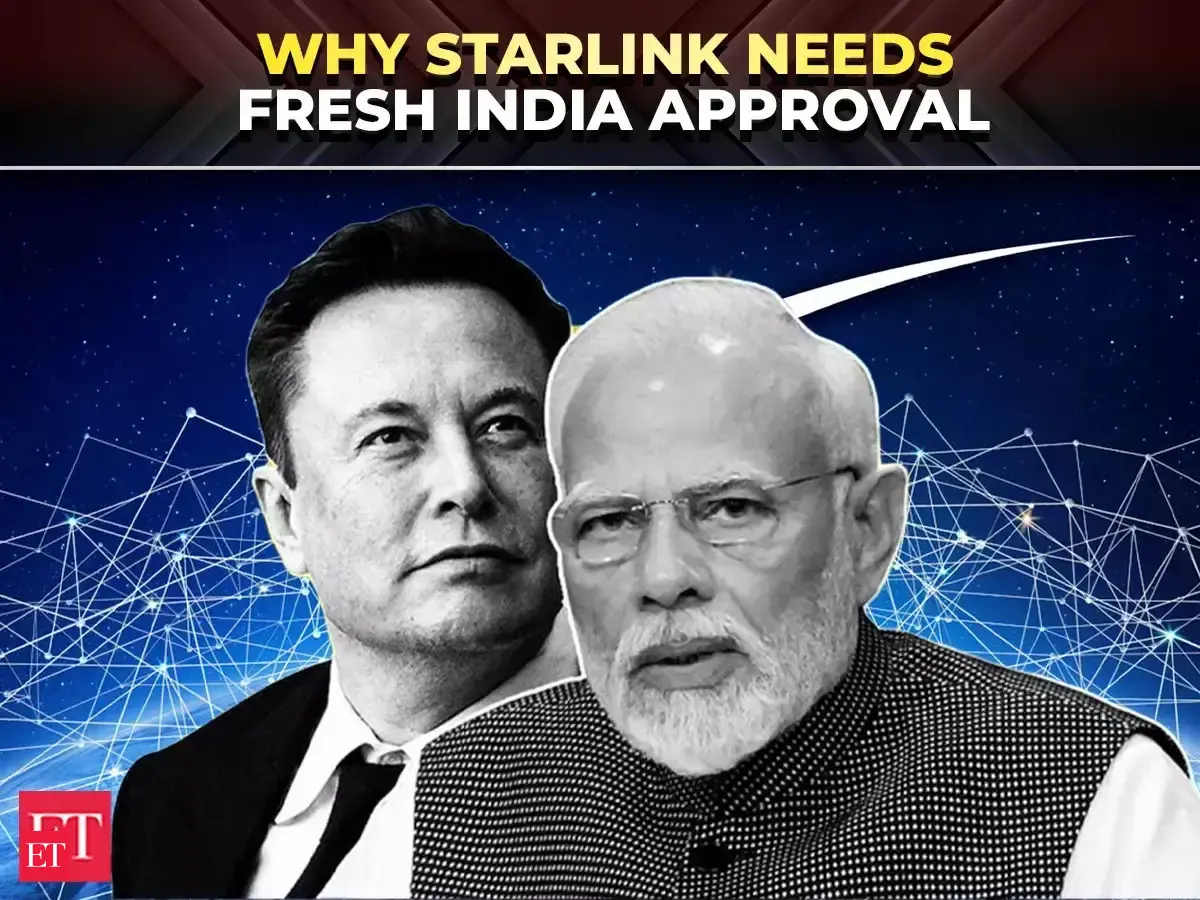
What is holding up D2D clearance
Officials said Starlink would need fresh approval from India’s space regulator, IN-SPACe, to move ahead with D2D services. The report indicates the more advanced constellation proposal did not meet requirements and also raised issues related to the use of frequency bands that are not currently permitted for such services in India.
A second problem is regulatory design: India does not yet have a dedicated framework for D2D satellite connectivity services. That means policy questions around operational norms, spectrum usage and pricing still need clarity before consumer-facing services can be authorised at scale.
What could happen next
The report notes that the Department of Telecommunications may seek TRAI recommendations covering key aspects such as pricing, spectrum and rules for operation. Until that path is defined, companies promising satellite-to-phone connectivity may remain limited to pilots, overseas markets, or non-D2D offerings.
For consumers, the practical implication is that satellite broadband (with dedicated user equipment) and satellite-to-phone connectivity are being treated as different regulatory products. The former is moving, but the latter is not yet cleared for India’s market structure.
Why this matters for India’s telecom roadmap
- D2D could extend coverage into remote or disaster-hit zones, but needs clear spectrum and safety rules
- Regulatory choices will shape competition between satellite players and terrestrial telcos
- Policy timelines will determine when consumers can realistically expect satellite-to-phone services