India’s AI-era chip appetite set to rise, with demand increasingly driven by AI accelerators and custom silicon
A report cited by ETTelecom says India’s semiconductor demand in the AI era could climb to about 28% by end-2026, with strong interest in AI chips, custom silicon and memory-intensive components. The trend reflects how data centres, devices and digital services are reshaping the country’s hardware needs.
India’s semiconductor needs are expected to grow sharply as artificial intelligence workloads expand across industries, according to a report cited by ETTelecom. The piece said India’s demand could reach about 28% by the end of 2026—close to the global expected demand level—highlighting how AI adoption is increasingly linked to hardware capacity.
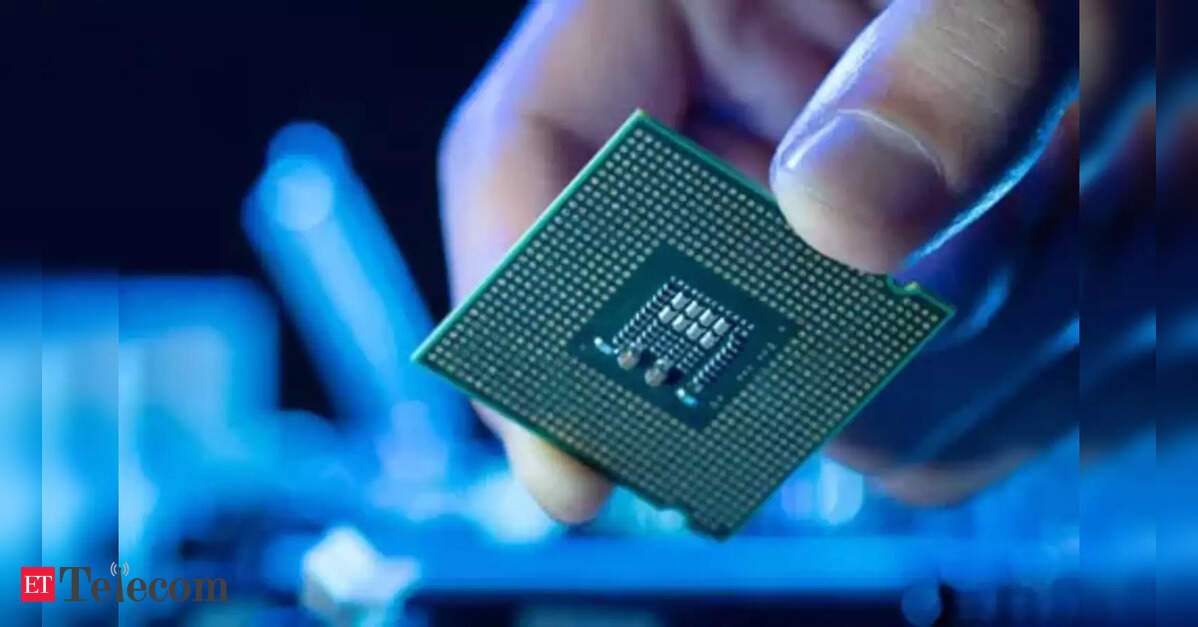
The report described a strong pull from downstream organisations for AI acceleration chips, custom silicon (ASICs) and memory-intensive components. These requirements typically show up when companies shift from experimentation to deployment—running model training and inference at scale, building AI features into apps and devices, and operating larger data pipelines.
What’s driving the shift
AI workloads are different from traditional enterprise computing. They often need high-throughput processors (GPUs or dedicated accelerators), fast interconnects, and large memory bandwidth. As more Indian firms embed AI into customer service, finance, logistics, healthcare and manufacturing analytics, chip demand can rise not only in data centres but also at the ‘edge’—in phones, cameras, industrial sensors and cars.
The cited findings also suggest a growing comfort with custom silicon in products. Companies pursuing custom chips often do so for performance per watt, cost control at scale, and tighter integration with their software stack. Over time, this can change procurement patterns: instead of buying general-purpose hardware, firms may plan longer-term silicon roadmaps.
Why it matters for India’s tech ecosystem
Higher demand for advanced chips can ripple across the ecosystem—cloud capacity planning, device manufacturing, electronics supply chains, and even the talent pipeline for chip design and hardware-software co-optimisation. It also increases the strategic importance of reliable supply, since AI compute shortages can become a bottleneck for startups and enterprises alike.
The takeaway is straightforward: as AI usage becomes routine, semiconductor demand becomes less cyclical and more structural, tied to digital infrastructure growth rather than only consumer electronics upgrades.