Sensex and Nifty slide over 4% in January amid FPI sell-off, rupee weakness and global risks
India’s benchmark indices Sensex and Nifty fell more than 4% in January 2026, pressured by sustained foreign portfolio investor outflows, a weakening rupee and muted corporate earnings. Market participants are also watching geopolitical tensions, tariff-related worries and the run-up to the Union Budget 2026–27 for clues on the path ahead.
How markets performed in January 2026
India’s benchmark equity indices extended their monthly decline in January 2026, with both the BSE Sensex and NSE Nifty down by more than 4% during the month, according to market data cited in a report. The slide reflects a mix of domestic and global pressures hitting risk appetite.
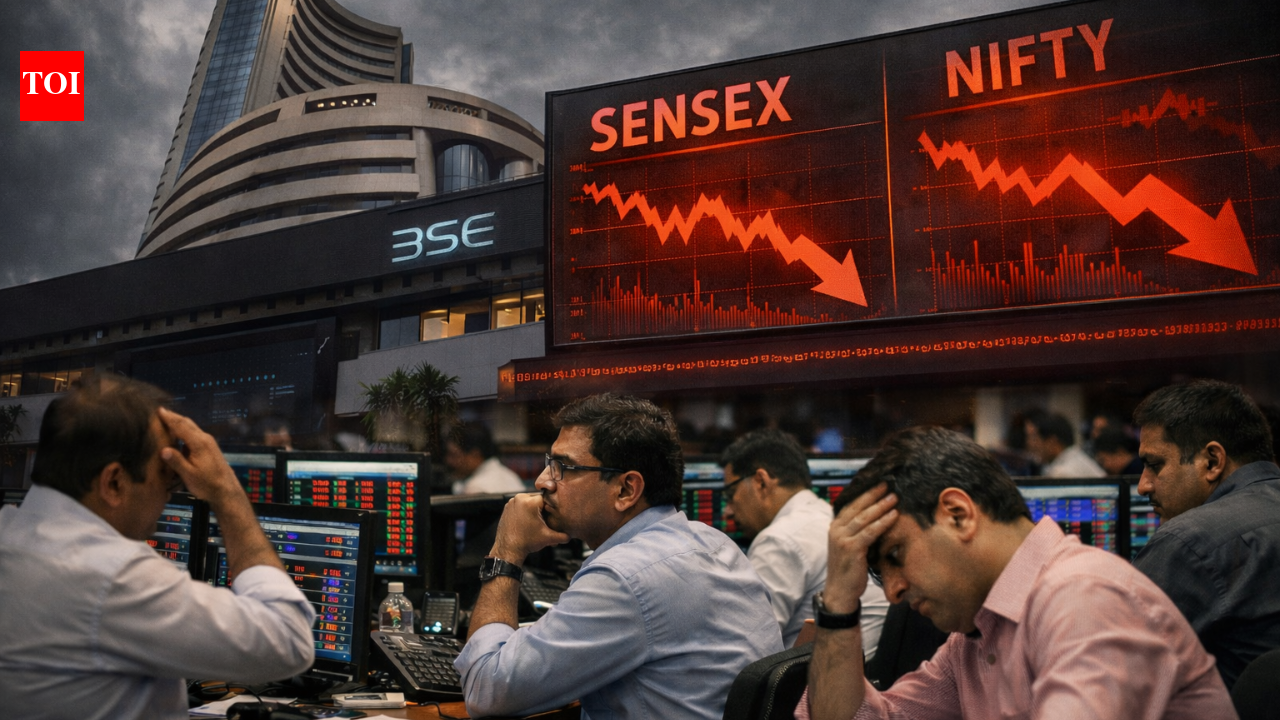
The report attributed the weakness to sustained foreign portfolio investor (FPI) selling, rupee softness, and subdued corporate earnings across some large sectors. Together, these factors have limited any meaningful recovery attempt, even as investors look for clarity in the run-up to key policy events.
Key drivers: flows, currency, and global uncertainty
Foreign fund outflows were highlighted as a major drag, as global investors reduced exposure amid a broader risk-off environment. The report also pointed to rupee weakness as an added concern, often linked with imported inflation risks and tighter global financial conditions.
Geopolitical uncertainty and renewed tariff worries were cited as compounding pressures, alongside elevated crude oil prices and rising global bond yields—factors that typically lift volatility and make equities less attractive versus safer assets.
Budget expectations and what investors are watching
With the Union Budget 2026–27 approaching, investors are closely tracking signals on growth support and fiscal discipline. The report noted that market participants often look for a post-Republic Day rebound in some years, though outcomes depend on global cues and the credibility of domestic policy signals.
In the near term, traders and long-term investors are likely to focus on whether earnings momentum improves, whether FPI selling stabilises, and how the rupee behaves amid shifting global rates and commodity prices.