Sensex and Nifty fall more than 4% in January as foreign selling, rupee weakness and global risks weigh
Indian equities have slipped sharply through January, with sustained foreign portfolio outflows and a weaker rupee compounding concerns about earnings and external risks, keeping investors cautious ahead of key economic events.
Indian benchmark indices Sensex and Nifty have declined more than 4% so far in January 2026, reflecting a risk-off mood driven by sustained foreign portfolio investor (FPI) selling, a weakening rupee and mixed corporate earnings. Market participants say the pullback has been amplified by global uncertainty and sector-specific profit-taking, even as domestic investors continue to provide support in pockets.
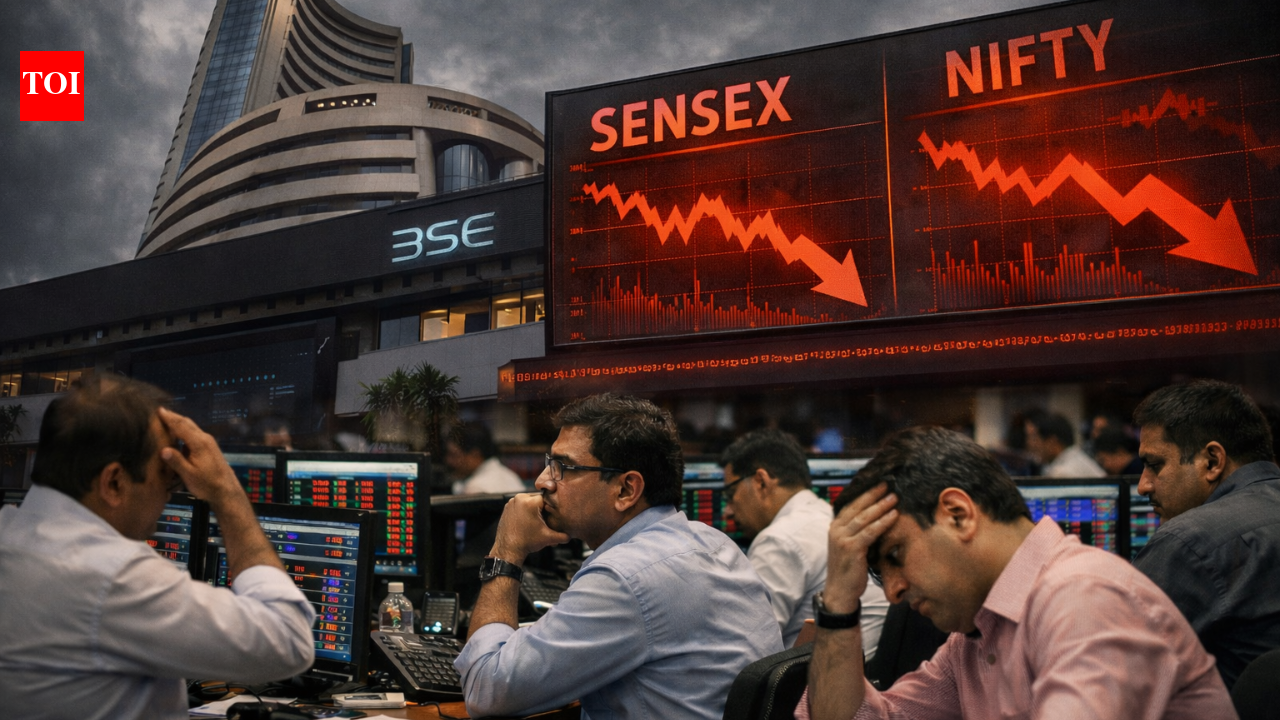
The slide has been linked to persistent outflows by foreign investors, who have trimmed exposure as global rates, geopolitical headlines and currency moves influence emerging-market allocations. At home, the rupee’s softness has added another layer of concern by raising the cost of imports and reshaping expectations for companies with foreign-currency liabilities, while traders also watch for signals on liquidity and the interest-rate path.
Earnings season has offered an uneven picture, with some heavyweights facing margin pressure from input costs and subdued demand, while select companies have posted strong profit numbers aided by consolidation effects or tariff-related benefits. The result has been broader index weakness, while stock-specific moves remain significant as investors rotate between defensives and cyclical names.
Going forward, strategists say sentiment may hinge on whether selling by overseas funds cools, whether the rupee stabilises, and whether the next set of economic and policy cues rebuilds confidence in growth and profits. For retail investors, the period is a reminder that short-term volatility can rise quickly when global risk appetite turns, even if long-term domestic participation remains an anchor for the market.