India–EU trade talks gather pace as von der Leyen visit signals push on FTA, defence cooperation and mobility
With Europe’s top executive in New Delhi ahead of summit meetings, India–EU negotiations on a long-awaited free trade agreement are back in focus. The discussions are also expected to cover strategic defence cooperation and measures to ease mobility for Indian professionals.
India and the European Union are preparing for summit-level talks amid renewed momentum on their proposed free trade agreement (FTA). Reporting around European Commission President Ursula von der Leyen’s visit to New Delhi described the trip as aimed at advancing a set of ‘big-ticket’ outcomes that include trade, defence collaboration, and a framework to facilitate mobility of Indian professionals.
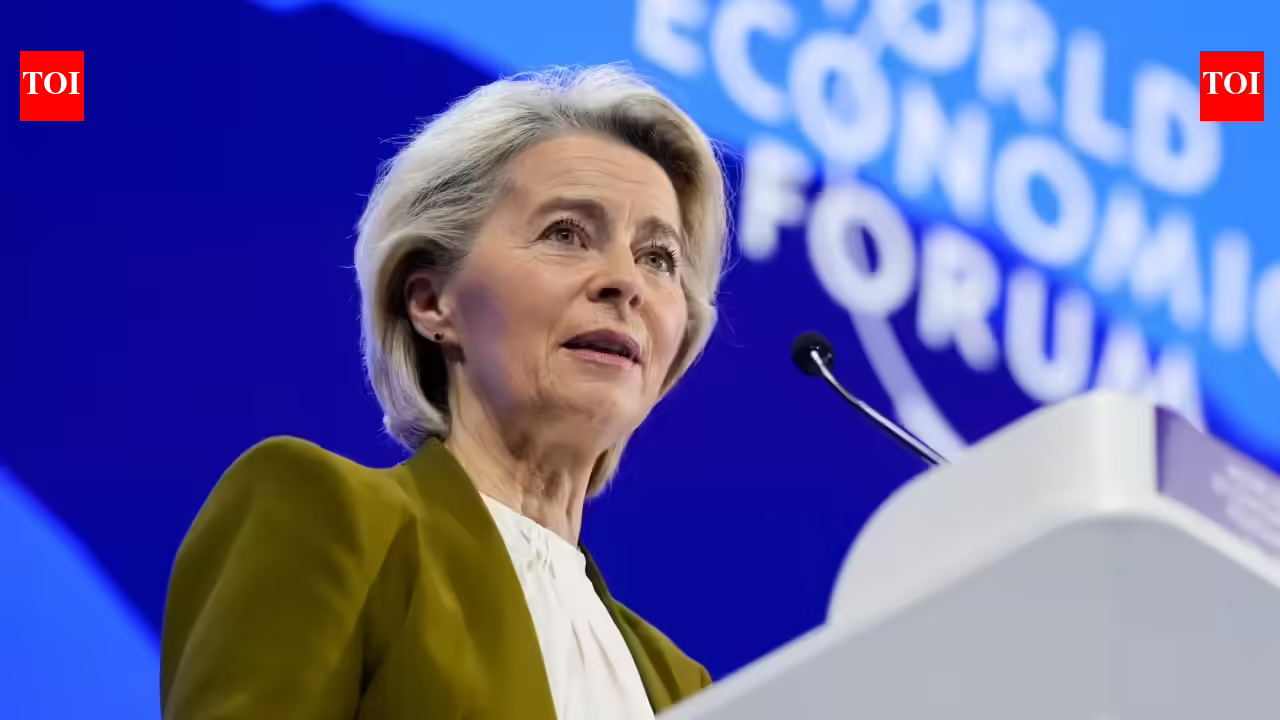
The presence of senior EU leadership in India during the Republic Day period is being read as a strong political signal—one intended to underscore that the partnership is moving beyond routine engagement toward deliverables with economic and strategic impact.
What a deal could change for firms
For businesses, an India–EU FTA would typically be expected to reduce tariff burdens on selected goods, simplify trade processes and create clearer rules for services and investment. Exporters often look for predictability on duties and standards; importers look for lower input costs; and investors watch for clearer market-access commitments.
The report cited trade figures showing the EU is India’s largest goods trading partner as a bloc, highlighting why the commercial stakes are high. A large two-way trade base means even incremental reductions in friction can translate into meaningful gains for sectors such as manufacturing, engineering goods, chemicals, textiles, and technology-linked services.
Beyond trade: defence and mobility
The expected agenda also includes a strategic defence partnership pact and a mobility framework. Together, these elements point to a broader approach: aligning economic ties with security cooperation and talent flows, rather than treating the relationship as a tariff-only conversation.
If the talks produce a timetable or headline commitments, businesses will likely look next for the fine print—rules of origin, product exclusions, standards alignment, and the operational details of mobility provisions that affect hiring and cross-border assignments.